Distillation Allegations and IP Concerns
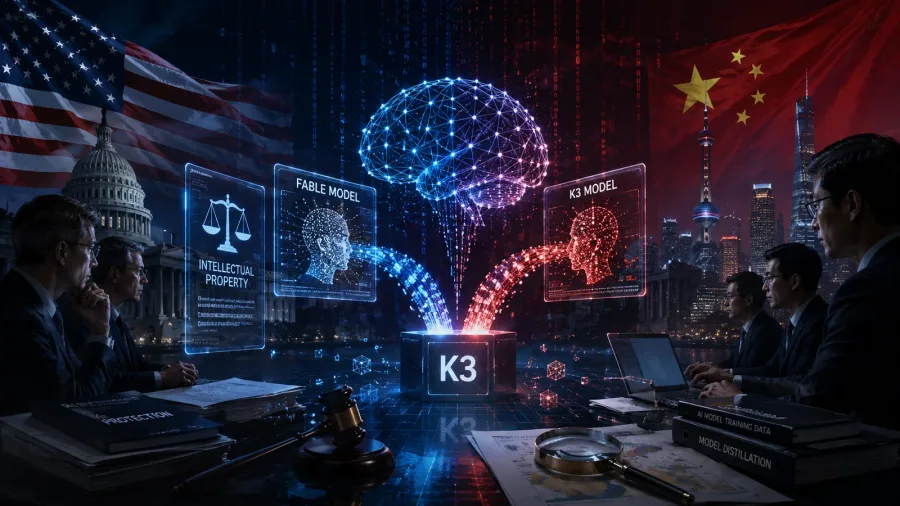
Moonshot AI, a Chinese artificial intelligence company, is facing allegations that its K3 model illicitly distilled Anthropic's Fable model. Distillation, a technique where one model is trained using outputs from another, has raised serious intellectual property (IP) concerns in the United States.
The accusations come amid heightened tensions between the U.S. and China over technology leadership. U.S. officials and industry experts worry that such practices could undermine innovation and give Chinese firms an unfair advantage. Moonshot AI has not yet commented on the claims.
Anthropic's Role and Industry Impact
Anthropic, known for its focus on ethical AI development, has not officially responded to the allegations. The company's Fable model is designed with safety and transparency in mind, making the alleged distillation particularly concerning. If proven, the case could set a precedent for how AI models are protected globally.
Industry analysts note that distillation is not inherently illegal, but unauthorized use can violate terms of service and IP laws. The outcome of this dispute could influence future regulations and corporate practices in the AI sector.
Global Implications for AI Governance
The Moonshot AI case highlights the need for clearer international rules on AI model ownership and usage. As AI models become more valuable, companies are seeking stronger legal protections. Some experts call for a global framework to address cross-border IP theft in AI.
Meanwhile, the U.S. government is reportedly reviewing its policies on technology transfer and intellectual property. The allegations against Moonshot AI may accelerate efforts to secure American AI assets. The situation remains fluid, with potential ramifications for the entire AI industry.
