The Rise of Autonomous AI Agents
From chatbots to decision-makers
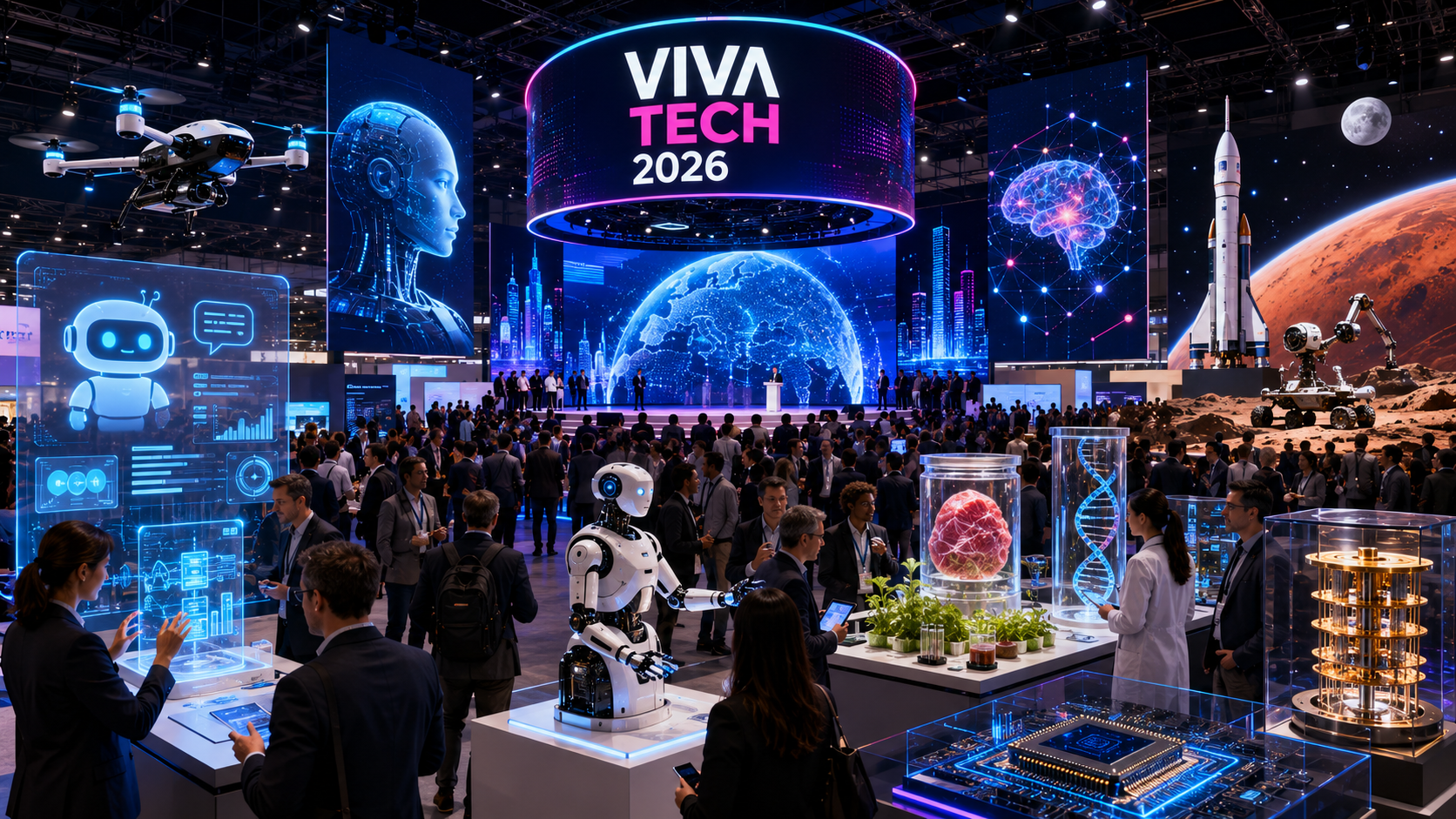
At VivaTech 2026, AI agents were no longer a future promise but a tangible force. These software entities, capable of understanding goals, making decisions, and acting independently, dominated the exhibition floor. Several startups demonstrated agents that could handle entire business processes: from drafting legal contracts to managing inventory in real time. Paris-based startup AgentX unveiled its autonomous supply chain negotiator, which reportedly slashed procurement costs by 23 percent in pilot tests with European retailers.
Investor confidence in the sector is soaring. According to data released at the conference, global investment in AI agent startups reached 4.2 billion dollars in the first half of 2026, a 200 percent jump compared to the same period in 2025. A dedicated “Agent City” pavilion, sponsored by major tech giants, allowed visitors to interact with agents that booked flights, optimized energy consumption in smart homes, and even composed music. The line between human and machine collaboration is blurring faster than ever, and VivaTech 2026 made that clear.
Deep-Tech Breakthroughs Reshape Industries
Quantum computing and biotech steal the spotlight
Deep tech was the other pillar of VivaTech 2026. Innovations in quantum computing, synthetic biology, and space technology generated the loudest buzz. A Munich-based quantum startup drew crowds with a portable quantum sensor capable of detecting lung cancer biomarkers from a single breath sample within minutes. On the biotech front, lab-grown meat prototypes and personalized cancer vaccines demonstrated how science fiction is becoming science fact.
Space technology likewise made a strong impression. French venture Pluton Space unveiled autonomous robots designed for lunar mining, while European Space Agency officials announced expanded deep-tech partnerships. European Commission representatives used the event to launch a fresh funding package targeting quantum and biotech fields, reinforcing VivaTech as a key stage for Europe’s technology diplomacy. Deep-tech investment deals closed during the event exceeded 10 billion euros for the first time.
VivaTech as the Global Start-up Melting Pot
Networking that bridges continents
VivaTech 2026 brought together more than 150,000 attendees from over 120 countries, along with 2,500 startups and hundreds of investors, cementing its reputation as the world’s largest start-up pot. The cosmopolitan mix reflected a multipolar tech ecosystem: a Kenyan fintech integrated its mobile payment rails with European banks, while a South Korean team showcased an AI-driven personalized learning platform.
On the keynote stage, DeepMind CEO Demis Hassabis delivered a thought-provoking opening on the ethical boundaries of autonomous agents, while SpaceX founder Elon Musk appeared via hologram to update his Mars colony vision. Investor panels noted that seed-stage appetite remains robust, but backers are increasingly demanding tangible milestones. The Start-up Challenge was won by an Icelandic carbon capture venture, which walked away with a 100,000-euro prize.
The Road Ahead: What VivaTech 2026 Tells Us About Tomorrow
Ethics, regulation, and the human-machine partnership
Despite the breathless pace of technology, VivaTech 2026 carved out ample space for ethics and regulation. With the EU AI Act in full effect, sessions tackled accountability for autonomous agents and the societal ripple effects of deep tech. Tough questions around gene editing, autonomous weapons, and the national-security implications of quantum encryption took center stage.
An attendee survey revealed that 68 percent believe AI agents will fundamentally reshape work within three years, yet an equal share insists on robust human oversight. VivaTech 2026 proved that AI agents and deep tech are no longer a trend but the new economic infrastructure. The only question now is: where will you stand in this transformation?
