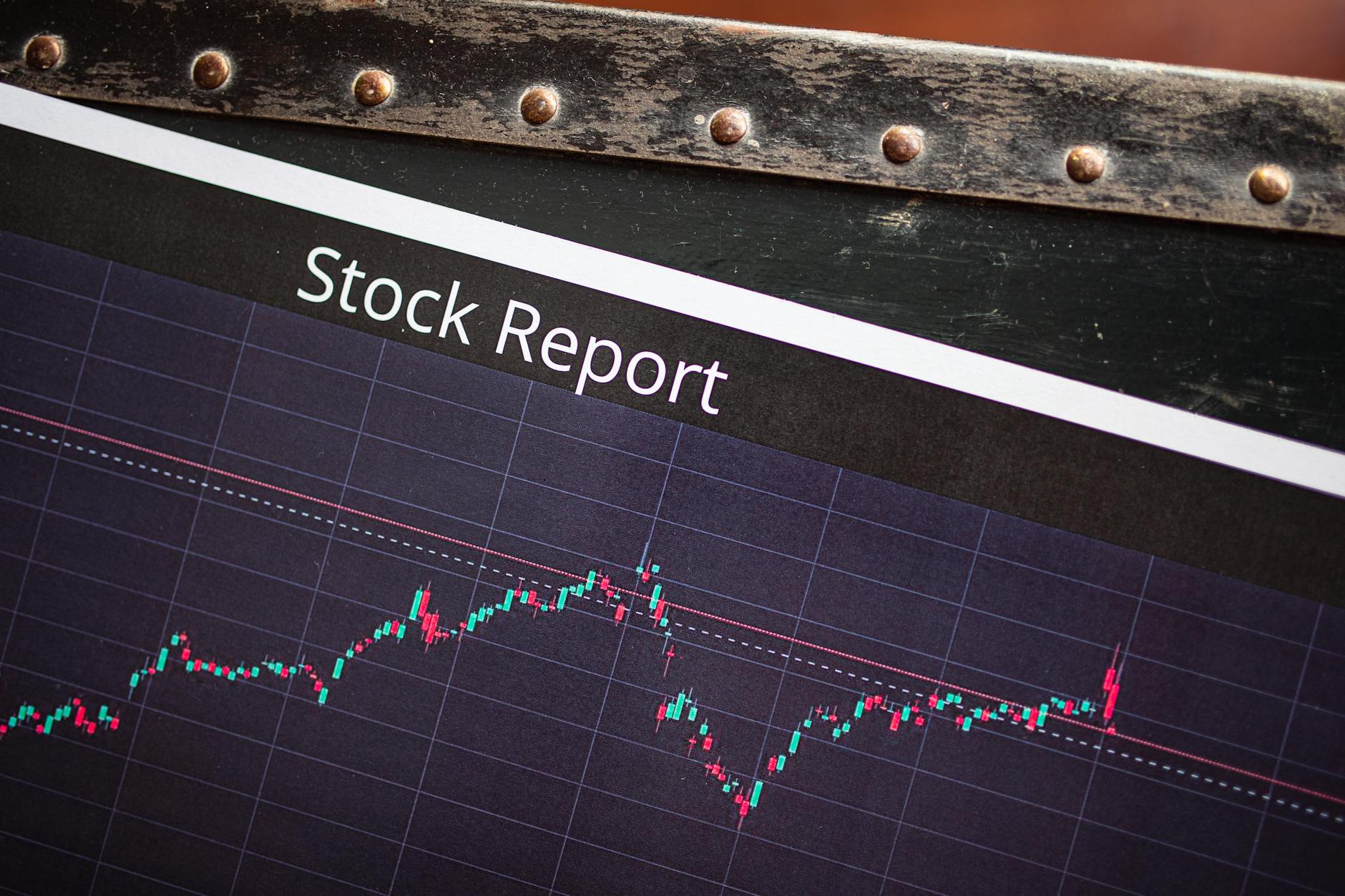
The US dollar's relentless march upward is forcing a dramatic rethink of global currency forecasts. On July 7, 2026, the US Dollar Index (DXY) touched levels not seen in over a year, consolidating above the 105 mark and leaving traders scrambling to decipher whether this is the start of a new super-cycle or the last gasp of a bull run. The rally, fueled by a hawkish Federal Reserve and a flight-to-safety bid amid geopolitical turmoil, has created a deep chasm between Wall Street's top currency strategists regarding the greenback's trajectory for the remainder of the year.
Geopolitical turmoil and the flight to safety bid
The Dollar Index's ascent to a 13-month peak cannot be attributed to monetary policy alone. A significant portion of the gains stems from escalating geopolitical risks that have sent shockwaves through global markets. The ongoing conflict in Eastern Europe and heightened tensions in the South China Sea have triggered a classic flight to safety, with global capital seeking refuge in the deep and liquid US Treasury market. For international investors, the United States remains the ultimate safe haven, and the dollar is the primary vehicle to access that safety.
This geopolitical premium is particularly evident when analyzing capital flows out of Europe and Asia. European investors, facing economic stagnation in Germany and political gridlock in the European Union's decision-making bodies, have been net buyers of dollar-denominated assets for the past six months. Similarly, Asian central banks, while publicly advocating for de-dollarization, have been quietly increasing their holdings of US government debt to stabilize their own currencies. This duality—rhetoric versus action—highlights the dollar's entrenched role in the global financial architecture, a role that no single alternative currency or basket of currencies has managed to challenge effectively in 2026.
The erosion of alternative safe havens
Traditional alternatives to the dollar have failed to capitalize on global uncertainty. The Japanese yen, historically a safe haven, has been undermined by the Bank of Japan's cautious approach to normalizing interest rates. The Swiss franc, while stable, lacks the market depth to absorb the massive capital flows currently seeking shelter. Gold has performed well, but it does not offer the yield or the transactional utility that institutional investors require. Consequently, the dollar has absorbed the vast majority of risk-averse capital, pushing the DXY to levels that are now testing the resolve of bullish speculators and the patience of US exporters.
The Fed's divergence from global central banks
The fundamental driver behind the dollar's strength in 2026 is the stark divergence between the Federal Reserve and other major central banks. While the European Central Bank (ECB) and the Bank of England (BoE) have been forced to cut interest rates to stave off recessionary pressures, the Fed has maintained a restrictive stance. The US economy's unexpected resilience—characterized by a tight labor market and persistent consumer spending—has allowed the Federal Open Market Committee (FOMC) to keep rates higher for longer than markets anticipated at the start of the year.
This policy gap has widened interest rate differentials to levels not seen in decades. The spread between US 10-year Treasury yields and German Bund yields has widened dramatically, creating a powerful incentive for carry traders to borrow in euros and invest in dollars. This dynamic is self-reinforcing: the more capital flows into the US, the stronger the dollar becomes, and the more attractive the yield differential appears to the next wave of investors. Fed Chair Jerome Powell's recent testimony to Congress indicated no urgency to cut rates, suggesting this divergence is likely to persist well into the fourth quarter of 2026, providing a solid floor for the dollar index.
Sticky inflation and the neutral rate debate
A critical element in the Fed's calculus is the debate over the neutral rate of interest—the theoretical level at which monetary policy neither stimulates nor restricts the economy. A growing chorus of economists argues that the neutral rate has risen due to structural shifts in the global economy, including deglobalization and the energy transition. If this view prevails within the FOMC, the terminal rate for this cycle will be higher than historically assumed, implying that the dollar's high-yield advantage is not a temporary anomaly but a structural feature of the new macroeconomic regime. This perspective supports the thesis of a sustained dollar rally, challenging the bearish consensus that dominated early 2026.
Wall Street's deepening divide on the dollar's trajectory
The foreign exchange strategy teams at major investment banks are issuing contradictory recommendations to their clients. On one side of the trade, analysts at UBS maintain that the dollar is in a structural bull market. Their models suggest that global recession risks are underpriced, and a sudden downturn in global growth would trigger a secondary dollar spike as liquidity dries up. They point to the inverted US yield curve and declining global trade volumes as harbingers of a risk-off event that would disproportionately benefit the US currency.
On the opposing side, strategists at Citigroup and several boutique research firms argue that the dollar is the most overvalued it has been in the past twenty years based on purchasing power parity (PPP) metrics. They contend that the market is dangerously overcrowded, with speculative long positions on the dollar reaching extreme levels according to the latest Commitment of Traders (COT) report from the US Commodity Futures Trading Commission (CFTC). A sudden shift in sentiment, triggered perhaps by a single soft inflation print or a geopolitical de-escalation, could catalyze a violent unwinding of these positions, sending the dollar tumbling as fast as it climbed. This tug-of-war creates a volatile environment for currency traders.
The elephant in the room: US fiscal sustainability
Looming over the technical and cyclical debates is the structural issue of US fiscal health. The US Congressional Budget Office (CBO) projects that the federal budget deficit will continue to widen in 2026, pushing the national debt-to-GDP ratio to levels that historically trigger currency depreciation. While the dollar has enjoyed 'exorbitant privilege' as the world's reserve currency, history shows that this status is not a permanent birthright. If credit rating agencies begin to question US fiscal sustainability more aggressively, the resulting risk premium could undermine the very safe-haven status that is currently boosting the dollar. This is the long-term bear case that keeps dollar bulls awake at night.
The ripple effects across emerging markets and commodities
A sustained dollar rally acts as a tightening mechanism for the global economy, particularly for emerging markets with high levels of dollar-denominated debt. Countries like Argentina, Turkey, and Kenya face escalating debt servicing costs, which can quickly snowball into balance-of-payments crises. In response, many emerging market central banks have been forced to expend their foreign exchange reserves to defend their currencies, a strategy that has limited shelf life. The International Monetary Fund (IMF) has warned that a prolonged period of dollar strength could trigger a wave of sovereign defaults in frontier markets, posing a systemic risk to the global financial system.
Commodity markets are also feeling the pressure. A strong dollar typically depresses commodity prices, as it makes raw materials more expensive for buyers using other currencies. However, the relationship has become more complex in 2026. Supply constraints in the oil market, driven by OPEC+ production cuts and geopolitical disruptions in the Middle East, have kept crude prices elevated despite the dollar's strength. This presents a unique scenario where oil-importing nations are hit with a double whammy: a high import bill due to expensive oil and a weak local currency relative to the dollar. This dynamic is exacerbating inflationary pressures in energy-dependent economies across Asia and Europe, potentially forcing their central banks to reverse rate cuts and slowing global growth further.
The euro's structural vulnerabilities
The euro, the dollar's primary rival in the DXY basket, is facing a perfect storm. The common currency has slumped below the $1.05 mark, with analysts eyeing a potential test of parity. The economic divergence between the US and the Eurozone is stark. Germany, the bloc's industrial powerhouse, is grappling with an energy crisis and declining competitiveness in its automotive sector against Chinese electric vehicle manufacturers. Political fragmentation in France and Italy is hindering fiscal consolidation efforts. The ECB finds itself in a policy straitjacket, needing to support growth but fearing that rate cuts could further weaken the euro and import inflation. This structural weakness in the eurozone provides a constant bid for the dollar, independent of US-specific developments.
