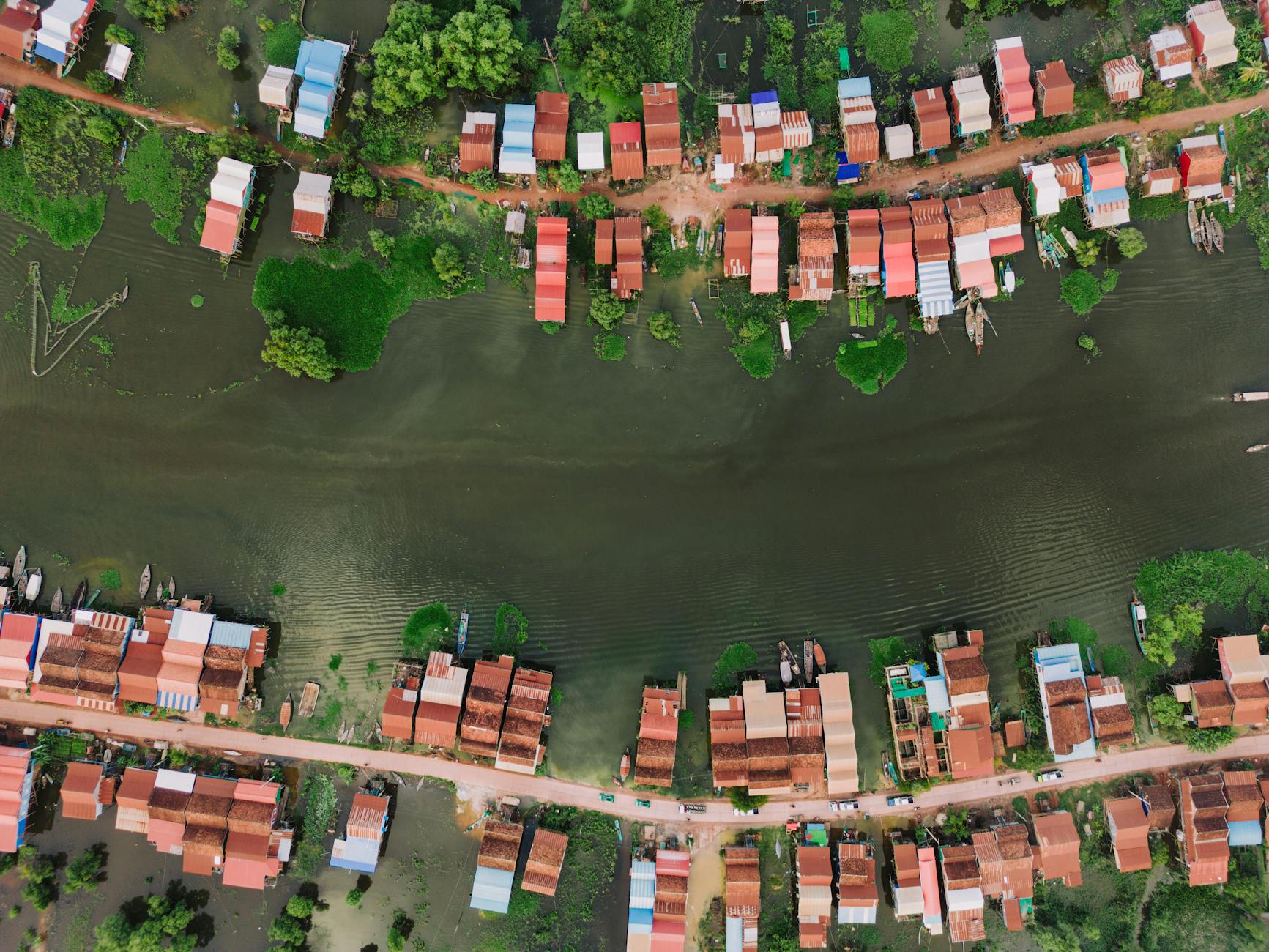
Japan is reeling from a rare dual assault by tropical cyclones that slammed into its eastern coastline on Saturday, June 27, 2026. Typhoons Mekkhala and Higos, arriving within hours of each other, brought catastrophic rainfall, triggering widespread landslides and urban flooding that left at least one person dead and dozens injured. The Japan Meteorological Agency (JMA) issued its highest-level emergency warnings for Chiba Prefecture and the Greater Tokyo Area, urging more than 50,000 residents to seek immediate shelter as rivers burst their banks and coastal defenses were overwhelmed by record-breaking storm surges.
Images captured by Kyodo News showed towering waves violently crashing against the seawalls of Futtsu City in Chiba Prefecture, a coastal community just 50 kilometers southeast of central Tokyo. The twin storms, supercharged by abnormally warm Pacific Ocean waters, packed sustained winds of 130 km/h with gusts exceeding 180 km/h. For a nation accustomed to typhoon seasons, the synchronized arrival of two powerful systems in the same region represents a dangerous anomaly that has overwhelmed conventional disaster response protocols.
Catastrophic flooding paralyzes Greater Tokyo
The Kanto region, home to over 43 million people, bore the brunt of the storms' fury. In a 24-hour period, weather stations across Chiba recorded more than 350 millimeters of rainfall — approximately double the average monthly precipitation for June. The deluge transformed Tokyo's normally orderly streets into raging rivers. Subway stations, including major hubs like Shinjuku and Shibuya, were inundated as overwhelmed drainage systems failed to cope with the sudden influx of water. Authorities reported that at least 17 rivers in the region had breached their banks by Saturday evening.
Transportation networks ground to a complete halt. East Japan Railway Company suspended all bullet train services between Tokyo and Nagoya, stranding hundreds of thousands of commuters and tourists at the start of the summer holiday season. Both Narita and Haneda international airports cancelled over 800 domestic and international flights combined. The Ministry of Land, Infrastructure, Transport and Tourism described the situation as "unprecedented in recent decades," noting that the last comparable disruption occurred during Typhoon Hagibis in 2019, which claimed more than 100 lives.
Deadly landslides strike mountainous regions
Japan's steep, forested terrain became a death trap as saturated soil gave way across Chiba's interior. In the cities of Kimitsu and Kamogawa, massive landslides swallowed homes and vehicles whole. Rescue workers pulled one body from the debris early Sunday morning, while at least 15 others were transported to hospitals with injuries ranging from fractures to hypothermia. Emergency crews, including Japan Self-Defense Forces personnel deployed with night-vision equipment, continued searching for missing residents under treacherous conditions.
The scale of the evacuation effort has tested local resources. More than 12,000 people were placed under mandatory evacuation orders, while an additional 40,000 were advised to leave voluntarily. Evacuation centers, hastily set up in school gymnasiums and community halls, operated under strict health protocols to prevent disease outbreaks in crowded conditions. "We are facing a compound disaster," said Chiba Governor Toshihito Kumagai. "The combination of COVID-era health concerns and extreme weather creates a uniquely challenging emergency."
Climate change supercharges twin typhoons
The simultaneous strike by Mekkhala and Higos is not merely a statistical rarity — it is a harbinger of climate change's intensifying impact on East Asian weather patterns. In June 2026, sea surface temperatures in the Western Pacific were approximately 1.5°C above the long-term average, providing the storms with an abundant energy source. Atmospheric scientists at the University of Tokyo's Atmosphere and Ocean Research Institute have linked this anomaly to a weakening polar jet stream, which allows tropical cyclone paths to shift northward and stall over populated areas.
Professor Hiroshi Tanaka, a leading climatologist at the institute, explained: "Warmer oceans don't necessarily create more typhoons, but they unquestionably make them wetter, slower-moving, and more destructive. The back-to-back nature of these storms is particularly dangerous because the first system saturates the ground and fills flood defenses, leaving communities completely exposed when the second arrives." Japan's disaster preparedness, while among the world's most sophisticated, is increasingly being outpaced by the accelerating tempo of extreme weather events.
Economic repercussions ripple through global markets
The financial impact of the twin storms began reverberating before the floodwaters receded. The Nikkei 225 index dropped 2.1% on Monday as investors assessed damage to manufacturing facilities in the critical Chiba industrial belt. Toyota, Honda, and Nissan all announced temporary suspensions at plants producing components for global supply chains. The disruption threatens to exacerbate existing semiconductor shortages that have plagued industries worldwide since the mid-2020s. Preliminary estimates from Japan's Cabinet Office suggest economic losses could exceed ¥400 billion ($2.8 billion).
Global insurance markets are bracing for substantial claims. Reinsurance giants Swiss Re and Munich Re had already reported a 40% increase in Japan-related natural catastrophe claims in the first half of 2026, even before the twin typhoons struck. The back-to-back storms will likely push the year's insured losses well past the ¥1 trillion threshold for the fourth consecutive year. For developing nations watching from afar, Japan's ordeal serves as a stark reminder of the mounting costs of climate inaction.
International community mobilizes support
Within hours of Japan's emergency declaration, neighboring nations and allies offered assistance. South Korea's Disaster Relief Team and Taiwan's National Fire Agency placed specialized urban search-and-rescue units on standby for immediate deployment. The United States Indo-Pacific Command coordinated with Japanese Self-Defense Forces to provide logistical support from bases in Okinawa and Yokosuka. Prime Minister Shigeru Ishiba, addressing the nation, expressed gratitude for the international solidarity while pledging a swift recovery effort.
The disaster has also prompted renewed calls for regional cooperation on climate adaptation. At the 2026 Asia-Pacific Economic Cooperation (APEC) summit scheduled for July in Bangkok, Japan plans to table a comprehensive proposal for a Pacific typhoon early warning network. The initiative would link meteorological agencies from Tokyo to Manila in a real-time data-sharing framework designed to give coastal communities critical extra hours to evacuate. "No nation can face these storms alone," a Japanese foreign ministry spokesperson said. "Climate change is a borderless threat demanding borderless solutions."
Lessons for vulnerable coastal cities worldwide
Japan's experience carries urgent lessons for coastal megacities across the globe, from Miami to Mumbai. Tokyo's advanced flood defenses — including massive underground retention basins completed in 2023 — proved insufficient against the combined onslaught of two typhoons. Urban planners are now confronting the reality that infrastructure designed for historical weather patterns is obsolete in an era of climate extremes. The concept of "once in a century" storms has lost meaning when such events occur with increasing frequency.
For Turkey, a nation increasingly battered by flash floods and landslides along its Black Sea coast, Japan's disaster management protocols offer a valuable model. Turkish disaster agency AFAD has studied Japan's early warning systems and mandatory evacuation procedures, seeking to adapt them to local conditions. The 2025 Black Sea floods, which claimed 12 lives and caused billions of lira in damage, underscored the urgent need for such measures. As 2026 progresses, the global community watches Japan's recovery with the understanding that today's distant disaster could be tomorrow's local headline.
Recovery efforts and the long road ahead
As Mekkhala and Higos weakened and drifted north toward Hokkaido, the monumental task of recovery began. Utility crews from across Japan converged on Chiba to restore power to the 40,000 households still in darkness as of Monday afternoon. Municipal workers armed with bulldozers and high-pressure hoses cleared mud-caked streets, while engineers inspected bridges and highways for structural damage. The Ministry of Infrastructure estimated that full repairs could take several weeks, particularly in mountainous areas where roads had been completely washed away.
The Japanese Red Cross Society deployed mobile kitchens and water purification units to the hardest-hit communities. Thousands of volunteers formed human chains to deliver hot meals and medical supplies to elderly residents trapped in care facilities isolated by floodwaters. The government approved an emergency relief package providing ¥100,000 (approximately $700) per affected individual. Yet, with the JMA warning of another tropical depression forming in the Pacific, the nation remains on edge — a sobering reality for a country that has long prided itself on resilience in the face of nature's fury.
