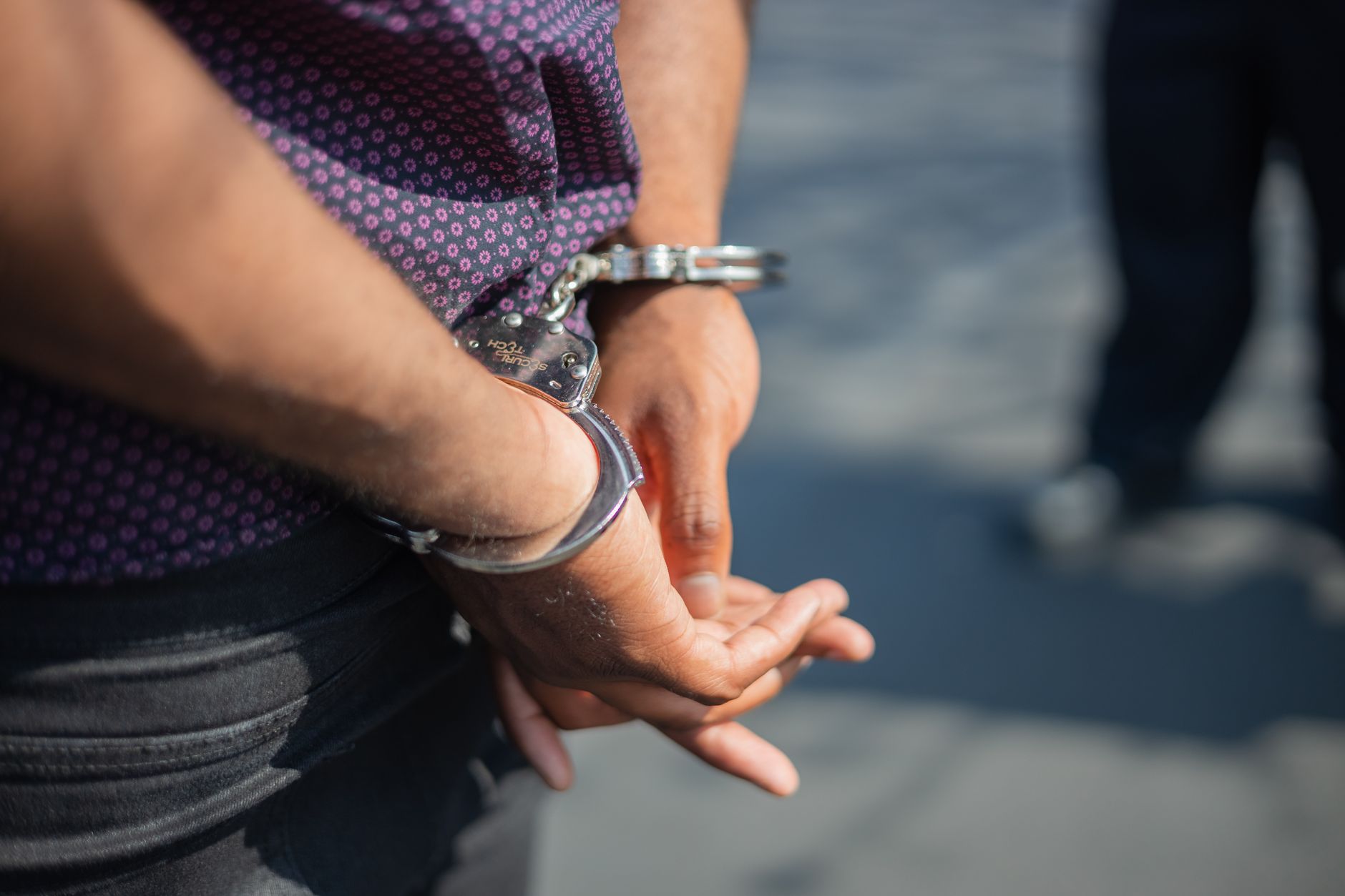
Turkish security forces have dismantled a sophisticated human trafficking network in the northwestern border city of Edirne, detaining six suspects accused of coercing vulnerable university students into prostitution through a calculated system of debt bondage and digital surveillance. The coordinated raids, carried out across three provinces on July 13, 2026, mark one of the most significant operations targeting campus-focused sexual exploitation rings in Turkey this year.
The Edirne Police Department's Morality Bureau, working in tandem with cybercrime units, had been tracking the group for six months before executing simultaneous raids at seven addresses in Edirne, Istanbul, and Kırklareli. Authorities rescued nine victims, including four foreign nationals, all of whom have been placed under state protection and are receiving psychological support through Turkey's Violence Prevention and Monitoring Centers.
Investigators revealed that the network specifically preyed on first-year students at Trakya University, a major educational institution in Edirne with over 45,000 enrolled students. The suspects allegedly used social media platforms to advertise fake scholarships, part-time jobs, and affordable student housing—classic bait tactics that quickly escalated into exploitation once the victims were isolated from their families and support networks.
The Digital Footprint of a Modern Trafficking Ring
What sets this case apart from traditional prostitution networks is the group's heavy reliance on encrypted technology and cryptocurrency transactions. Police forensic teams uncovered a sophisticated operational infrastructure that included dedicated Telegram and WhatsApp channels for client bookings, an internally developed scheduling software, and Excel spreadsheets tracking daily revenue targets for each victim—evidence that prosecutors believe will be crucial in securing convictions.
The suspects allegedly maintained detailed performance metrics for their victims, treating the exploitation as a business operation with quotas and penalties. Payments were routed through cryptocurrency wallets to avoid traditional banking scrutiny, a method that Turkish authorities say has become increasingly common in human trafficking cases since 2025. The cybercrime unit's investigation also traced the group's activities to dark web forums where they advertised services to a broader, anonymous client base.
'This case demonstrates how trafficking networks are evolving technologically,' said a senior police official involved in the operation, speaking on condition of anonymity due to the ongoing investigation. 'We're seeing a disturbing trend where organized crime groups adopt startup-like operational models—complete with digital marketing, customer relationship management, and cryptocurrency-based financial systems.'
Cross-Border Dimensions and Regional Security Implications
Edirne's strategic location at the tri-border junction of Turkey, Greece, and Bulgaria makes it a natural corridor for transnational organized crime. The city's large student population provides both a victim pool and a layer of anonymity for trafficking networks. Turkish authorities have documented 12 similar operations in Edirne during 2025 alone, resulting in 47 arrests and the rescue of 35 victims.
Turkey's Broader Struggle Against Human Trafficking
The Edirne operation reflects a wider national challenge. According to Interior Ministry data released in early 2026, women constitute 68% of all human trafficking victims identified in Turkey, with the vast majority subjected to sexual exploitation. The country's unique position as both a destination and transit country for irregular migration has complicated enforcement efforts, particularly in border provinces where criminal networks exploit legal and administrative gaps.
Turkey has strengthened its anti-trafficking legal framework considerably since ratifying the Council of Europe Convention on Action against Trafficking in Human Beings. The Turkish Penal Code now prescribes sentences of 8 to 12 years for human trafficking under Article 80, with an additional 4 to 10 years for promoting prostitution under Article 227. When crimes are committed as part of an organized group, these penalties can increase by half—a provision prosecutors are expected to invoke in the Edirne case.
Despite legislative progress, implementation remains uneven. A 2025 report by the European Commission noted that Turkey had increased its trafficking convictions by 23% compared to the previous year, but highlighted concerns about victim identification rates in border regions. The report specifically mentioned Edirne as requiring enhanced monitoring mechanisms, a recommendation that appears prescient given the latest arrests.
The Safe Campus Initiative and Institutional Response
In response to growing concerns, Turkey's Interior Ministry launched the 'Safe Campus' program in early 2026, allocating approximately 500 million Turkish lira ($15.5 million) for enhanced security infrastructure across university campuses nationwide. The initiative includes AI-powered surveillance systems, dedicated campus police units, and mandatory orientation programs warning students about trafficking risks.
Victim Support and the Long Road to Recovery
The nine women rescued in the Edirne operation now face a complex rehabilitation process. Turkey's Ministry of Family and Social Services has activated its full victim support protocol, which includes temporary shelter at undisclosed locations, comprehensive medical care, and long-term psychological counseling. Crucially, authorities are working with the Higher Education Credit and Hostels Institution (KYK) to ensure the victims can continue their university education without interruption—a factor experts say is essential for rebuilding their lives.
'The trauma of trafficking doesn't end with rescue,' explained Dr. Selin Yılmaz, a clinical psychologist specializing in trafficking survivor rehabilitation at Istanbul University. 'These young women were systematically manipulated, isolated, and exploited. Recovery requires not just therapy but the restoration of normalcy—continuing education, maintaining social connections, and regaining economic independence.'
Civil society organizations, including the Women's Solidarity Foundation and Mor Çatı, have expanded their volunteer networks in the Edirne region following the operation. Plans are underway to train peer counselors who will work directly on university campuses, providing students with confidential reporting channels and guidance on safe housing options.
International Cooperation and Future Challenges
The presence of foreign nationals among both victims and suspects in the Edirne case underscores the transnational nature of modern trafficking networks. Turkish authorities are coordinating with Interpol and Europol to investigate potential links to similar operations in neighboring countries. The case has also prompted renewed calls for a regional task force specifically targeting trafficking networks that exploit student populations in border cities.
Prevention, Awareness, and the Role of Higher Education
With approximately 8 million students enrolled across 208 universities in Turkey as of 2026, the higher education sector represents an enormous potential target for trafficking networks. The Edirne case has galvanized university administrations nationwide to review their student protection protocols. Trakya University has already established a 'Student Safety Desk' that will monitor suspicious advertisements targeting students and provide anonymous reporting channels for those experiencing exploitation or coercion.
The operation also highlights the critical role of financial transparency in preventing trafficking. Experts argue that many students fall prey to such networks due to genuine economic vulnerability—the gap between student living costs and available financial aid creates opportunities for exploitation. Turkey's average monthly student expenditure, estimated at 8,500 Turkish lira ($265) in 2026, far exceeds the maximum government loan amount, leaving many students desperate for alternative income sources.
Edirne's police chief concluded the operation's announcement with a direct appeal: 'We evaluate every single tip from our citizens. We urge our university students and their families to report any suspicious situation to the 112 Emergency Call Center or the ALO 157 Human Trafficking Victims Emergency Hotline. Your vigilance can save lives.'
