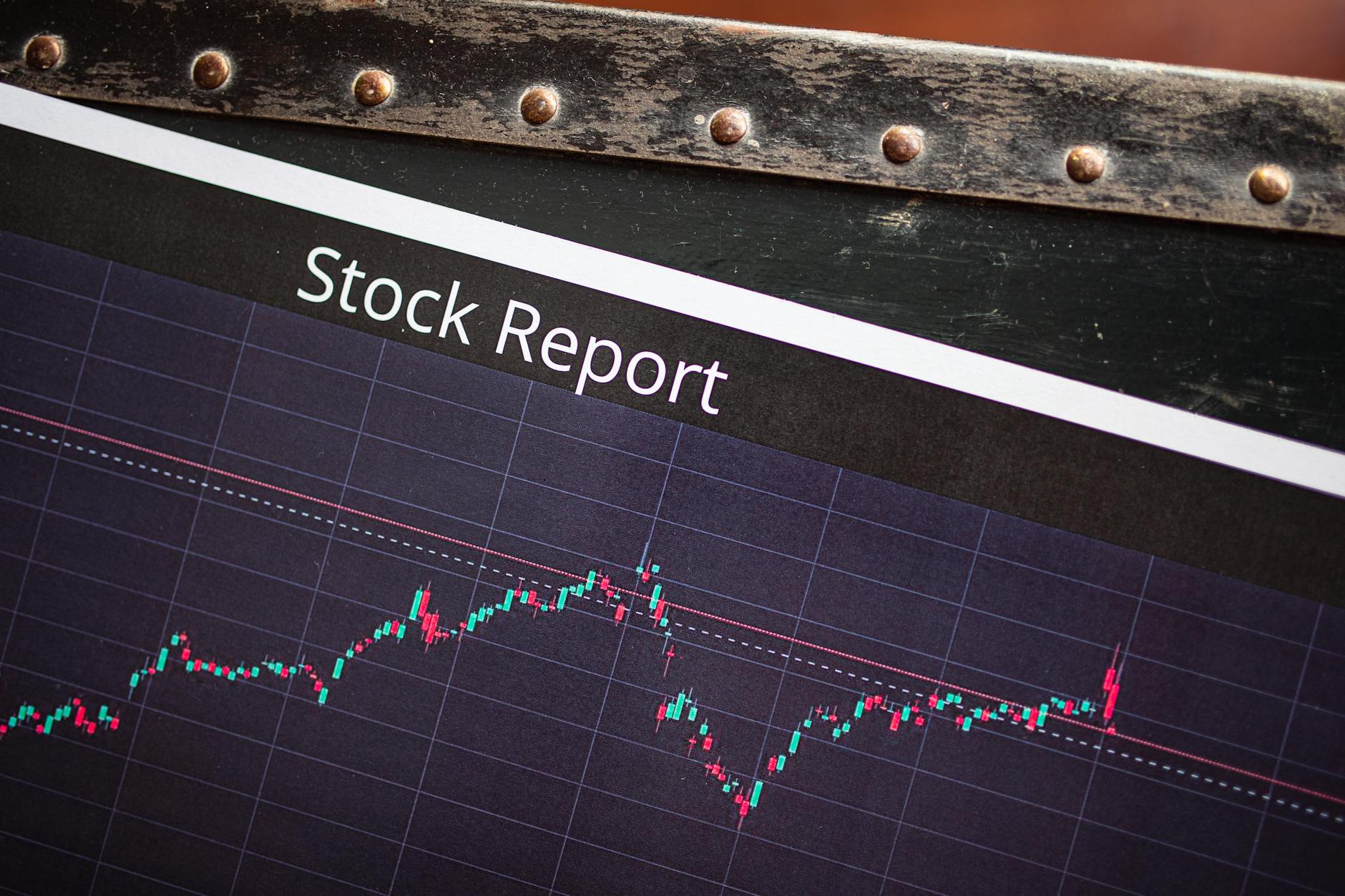
The Turkish lira plunged to an unprecedented low of 46.64 against the US dollar on June 29, 2026, as a perfect storm of geopolitical turmoil in the Persian Gulf and hawkish signals from the Federal Reserve battered emerging market currencies. The historic depreciation came despite aggressive behind-the-scenes interventions by Turkey's central bank, marking one of the most volatile trading weeks in the country's recent financial history.
The sell-off reflects deepening investor anxiety over Turkey's vulnerability to external shocks. With energy import costs surging due to the Gulf crisis and global capital fleeing to safe-haven dollar assets, Ankara finds itself trapped between a currency in freefall and inflation that threatens to spiral out of control. The lira has now lost over 45% of its value against the dollar in the past twelve months alone.
Gulf crisis disrupts energy markets and global trade
The immediate trigger for the dollar's surge was a sharp escalation of tensions in the Strait of Hormuz, a critical chokepoint through which roughly 20% of the world's oil supply passes. Reports of disrupted tanker traffic and heightened military posturing in the region sent Brent crude prices soaring above $95 per barrel, fueling a broader risk-off sentiment across global financial markets. The dollar index (DXY) climbed past the 108 level, its highest point since late 2025.
For Turkey, a nation heavily dependent on imported energy to fuel its economy, the dual shock of a stronger dollar and pricier oil is particularly devastating. Turkey's monthly energy import bill has now exceeded $7 billion, a 20% year-on-year increase. The knock-on effects are already rippling through the real economy: transportation costs are climbing, manufacturing input prices are surging, and consumer inflation, already running at an estimated 65% annually, faces renewed upward pressure.
Supply chain risks for European and Asian markets
The disruption in the Gulf is not just a Turkish problem; it's a global supply chain crisis in the making. Shipping companies have begun rerouting vessels away from the region, driving up insurance premiums and delivery times. For European manufacturers reliant on Middle Eastern petrochemicals and Asian goods transiting through the Suez Canal, the delays threaten to reignite the kind of supply-side inflation that central banks thought they had tamed. Turkish exporters, meanwhile, face losing access to key Gulf markets that accounted for over $8 billion in trade during the first quarter of 2026.
Turkish construction and engineering firms, which have a massive footprint in Iraq, Qatar, and the UAE, saw their shares tumble by an average of 7% over two trading sessions. The uncertainty is forcing project delays and payment disruptions, compounding the financial strain on companies already grappling with a weak domestic currency.
The Fed's hawkish hold and emerging market exodus
Compounding the geopolitical chaos is the Federal Reserve's steadfast refusal to cut interest rates. With the benchmark US federal funds rate still parked at 5.50% in mid-2026, the yield advantage of dollar-denominated assets is drawing capital away from riskier emerging markets at an alarming pace. Fed Chair Jerome Powell's latest remarks reiterated that no rate cuts should be expected until inflation is firmly on a path back to 2%, dashing hopes of near-term relief for indebted developing economies.
Turkey's external financing needs make it acutely sensitive to this capital flight. With short-term foreign debt exceeding $200 billion, the surge in the dollar's value dramatically increases the real cost of debt servicing. Turkey's 5-year credit default swaps (CDS) — a key measure of sovereign risk — have spiked above 600 basis points, signaling extreme market stress. International rating agencies have warned that a prolonged currency crisis could trigger downgrades, further isolating Turkey from global capital markets.
Central bank reserves under siege
The Central Bank of the Republic of Turkey (CBRT) has been burning through its foreign exchange reserves in an attempt to stabilize the lira. Net reserves, excluding swaps, are estimated to be negative $55 billion, and the bank is reportedly selling over $1 billion daily in the spot market. Analysts warn that this pace of intervention is unsustainable and that without a credible policy anchor — either through aggressive rate hikes or capital controls — the lira's freefall may accelerate.
Despite the pressure, Turkey's economic leadership has so far stuck to a message of 'rational policies' and fiscal discipline. A written statement from the Treasury and Finance Ministry described the currency volatility as temporary. However, market participants remain skeptical, demanding concrete action ahead of the central bank's July policy meeting, where an emergency rate hike from the current 50% to as high as 60% is being priced in by forward markets.
Investors seek shelter in gold and stablecoins
As the lira hemorrhages value, Turkish investors are increasingly turning to alternative stores of wealth. Physical gold remains a traditional favorite: the price of a gram of gold in Turkey hit a record 3,600 TRY, tracking the global spot price which neared $2,400 per ounce. But a newer trend is the flight into digital dollars. Trading volumes for the USDT/TRY pair on Turkish cryptocurrency exchanges surged by 40% in a single 24-hour period, as savers sought to escape lira depreciation without the logistical hassle of holding physical foreign currency.
This shift towards stablecoins poses a regulatory dilemma for Ankara, which has been trying to tighten control over crypto transactions while also promoting its own central bank digital currency. The current crisis, however, is testing the limits of those efforts as citizens vote with their wallets against the lira's instability. Bitcoin, meanwhile, hovered around $65,000, acting less as a safe haven and more as a speculative asset in the current risk-averse climate.
What comes next: scenarios for the second half of 2026
Looking ahead, economists are split between two diverging paths. The optimistic scenario hinges on a diplomatic de-escalation in the Gulf and a dovish pivot from the Fed by late 2026, which could see the dollar-lira exchange rate retreat to the 42-44 range. The pessimistic outlook, however, warns that a prolonged conflict and the closure of energy corridors could push the exchange rate past the psychologically critical 50 TRY mark, triggering a new wave of corporate defaults and social unrest.
For now, all eyes are on the CBRT's July Monetary Policy Committee meeting. A bold rate hike could temporarily restore confidence, but it would also slam the brakes on economic growth in a year when Turkey can ill afford a recession. As the summer of 2026 unfolds, Turkey finds itself navigating a treacherous crossroads where geopolitics, monetary policy, and market sentiment collide with unprecedented force.
