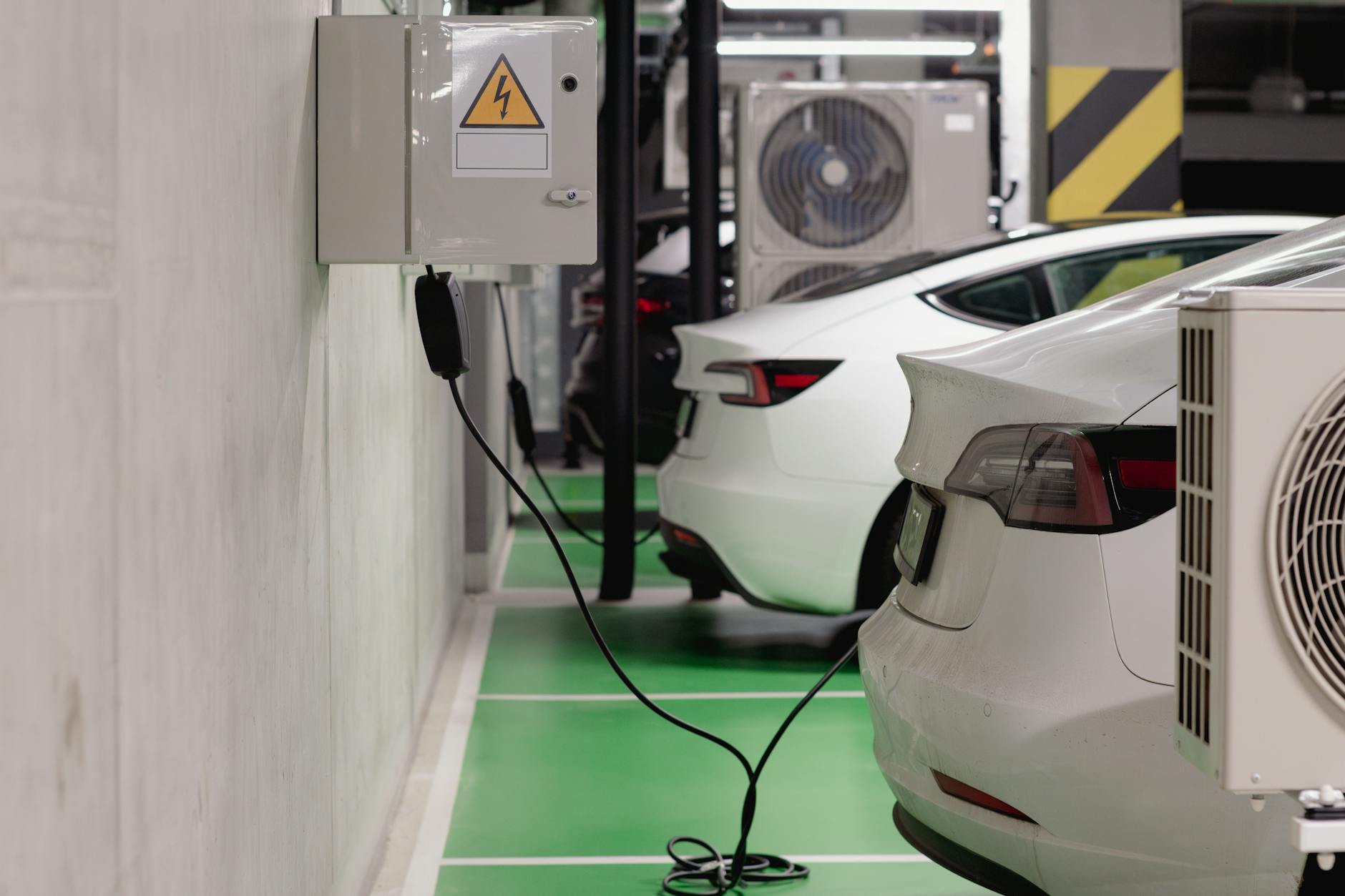
Munich test drive: Togg challenges German automakers on their home turf
On July 18, 2026, Turkey's first indigenous electric vehicle manufacturer Togg will host an exclusive experience day in Munich, Germany — a bold move that places the company's flagship T10X SUV directly in the backyard of automotive giants BMW, Mercedes-Benz, and Audi. The event, open to pre-registered visitors and international media, marks the most aggressive step yet in Togg's carefully orchestrated European expansion strategy. Attendees will get behind the wheel on a specially designed route through Bavaria, testing the vehicle's performance on both urban streets and the high-speed autobahn.
Togg's journey from a concept unveiled in 2019 to a production vehicle now targeting the world's most demanding automotive market represents one of the most ambitious industrial transformations in Turkey's recent history. The Gemlik production facility, a state-of-the-art plant near the Sea of Marmara, has ramped up annual capacity to 175,000 units by mid-2026. After selling over 30,000 units domestically in 2025, the company is now pivoting toward export markets with a clear message: Turkish engineering can compete at the highest level. The Munich event serves as both a product showcase and a litmus test for European consumer acceptance of a new entrant from outside the traditional automotive establishment.
The German electric vehicle market landscape in 2026
Germany remains Europe's largest electric vehicle market, with battery-electric vehicle sales surpassing 800,000 units in 2025 and showing 15 percent year-on-year growth through the first half of 2026. The country's ambitious climate targets and generous subsidy programs have created fertile ground for EV adoption, but competition has intensified dramatically. Chinese manufacturers like BYD and NIO have established beachheads, while Tesla's Berlin Gigafactory continues to expand output. Togg enters this crowded field with a distinct value proposition: European design sensibility through its Pininfarina partnership, competitive pricing enabled by Turkey's Customs Union access, and a comprehensive smart mobility ecosystem.
The German consumer presents unique challenges that Togg's engineering team has spent the past 18 months addressing. Autobahn driving requires sustained high-speed performance that can drain batteries rapidly; German buyers demand premium interior materials and impeccable build quality; and the country's strict TÜV inspection standards leave no room for compromise. Togg's decision to launch in Munich rather than a more forgiving market signals confidence that the T10X has been engineered to meet these exacting requirements. The event route includes sections of unrestricted autobahn where the SUV's 180 km/h top speed and high-speed stability will face their toughest real-world test yet.
Beyond Germany: Togg's pan-European expansion blueprint
Togg's European ambitions extend well beyond Bavaria. According to the company's revised 2026 business plan, Munich represents the first of five major experience events scheduled across the continent over the next twelve months. Amsterdam, Copenhagen, Paris, and Oslo are next in line — cities selected for their high EV adoption rates, robust charging infrastructure, and environmentally conscious consumer bases. This phased approach allows Togg to gather market-specific feedback and adjust its go-to-market strategy before committing to full-scale retail operations in each country.
The timing of this expansion aligns with a pivotal moment in European automotive regulation. The European Union's 2035 deadline for phasing out new internal combustion engine vehicle sales is accelerating fleet transitions across the continent. Meanwhile, the EU's imposition of additional tariffs on Chinese-made EVs — ranging from 17 to 38 percent depending on the manufacturer — has created an unexpected window of opportunity for non-Chinese newcomers. Togg, benefiting from Turkey's Customs Union agreement with the EU, can price its vehicles without these punitive duties, positioning the T10X at approximately €45,000 — a significant discount compared to similarly equipped competitors from Volkswagen and Tesla.
Charging infrastructure and the Trugo network expansion
A critical component of Togg's European viability is charging accessibility. The company's domestic charging network, Trugo, has expanded to over 2,000 high-speed charging points across all 81 Turkish provinces by mid-2026. For the European market, Togg has secured roaming agreements with major charging network operators including Ionity, Fastned, and Allego, granting Togg drivers access to more than 300,000 charging points across the continent. This interoperability eliminates range anxiety — consistently cited as the primary barrier to EV adoption among European consumers.
The T10X's battery technology, developed at Togg's Gemlik R&D center, supports charging speeds of up to 180 kW, enabling a 20-to-80 percent charge in under 30 minutes. The lithium-ion battery packs have received full certification under the EU's new Battery Regulation, which mandates comprehensive carbon footprint disclosure and responsible sourcing of raw materials. For environmentally conscious European buyers increasingly scrutinizing supply chain sustainability, this compliance provides a crucial competitive edge. During the Munich event, Togg engineers will conduct live demonstrations of the charging process and battery thermal management system.
The technology edge: AI-powered mobility ecosystem meets European standards
Togg's differentiation strategy in Europe hinges on its integrated smart mobility ecosystem, centered around the Trumore mobile application and the vehicle's 41.3-inch panoramic display. Unlike traditional automakers that treat the car as a standalone product, Togg positions the T10X as a connected device within a broader digital lifestyle platform. The AI-powered user interface learns driver preferences over time, offering personalized recommendations for routes, charging stops, and even nearby services based on behavioral patterns. This technology-forward approach aligns with European consumers' growing expectation of seamless digital integration in their vehicles.
Data privacy, a particularly sensitive issue in Germany and the broader EU, has been addressed through full GDPR compliance certification obtained in early 2026. Togg's data processing architecture stores user information on European servers, and the company has implemented transparent opt-in protocols for all data collection features. This stands in contrast to some Chinese competitors that have faced regulatory scrutiny over data handling practices. The Trumore platform also integrates with European smart home systems and popular navigation applications, ensuring the T10X fits naturally into existing digital ecosystems rather than requiring users to adapt to a walled garden.
Level 2+ autonomy calibrated for European roads
The T10X's advanced driver assistance systems (ADAS) have undergone extensive recalibration for European traffic conditions. The Level 2+ autonomous driving suite, which includes adaptive cruise control, lane-keeping assist, traffic sign recognition, and automated emergency braking, has been tested on German autobahns, Italian mountain passes, and Dutch urban centers. The system's ability to recognize European traffic signs — which differ in design and placement from Turkish ones — was a particular focus of the engineering team's adaptation work throughout 2025 and early 2026.
Munich event participants will experience these features firsthand on a route that deliberately includes challenging scenarios: high-speed autobahn merges, complex inner-city intersections with tram crossings, and narrow Bavarian country roads. Togg's engineering team will be on-site to collect real-time feedback, continuing the iterative improvement process that has characterized the company's development philosophy since its founding. This willingness to engage directly with potential customers and incorporate their input represents a cultural shift from the more insular approach of some established automakers.
Economic implications: Turkey's industrial transformation goes global
Togg's European debut carries significance far beyond the automotive sector. For Turkey, a country that has long served as a manufacturing hub for European automakers through joint ventures and component supply, Togg represents a leap up the value chain — from contract manufacturing to original equipment manufacturing with global brand aspirations. Turkey's total exports reached $260 billion in 2025, with the automotive sector contributing 16 percent, but virtually all of that consisted of internal combustion engine vehicles and parts. Togg's success in Europe could reshape this export profile and reduce Turkey's persistent current account deficit.
Economists project that if Togg captures even a modest 1-2 percent share of the European EV market by 2028, the direct export revenue would exceed €2 billion annually, with multiplier effects throughout the domestic supply chain potentially doubling that impact. The Gemlik facility's ecosystem now supports over 20,000 direct and indirect jobs, and European expansion is expected to create an additional 2,000 positions in sales, service, and logistics across the continent. Turkish component suppliers, from battery cell manufacturers to software developers, are simultaneously upgrading their capabilities to meet European OEM standards — a spillover benefit that strengthens the entire Turkish automotive industry.
Geopolitical context and supply chain resilience
Togg's European push unfolds against a backdrop of shifting global supply chains and growing interest in nearshoring. Turkey's geographic position — straddling Europe and Asia with established logistics infrastructure — offers supply chain resilience advantages that have gained prominence since the disruptions of the early 2020s. European automakers and policymakers have shown increasing interest in diversifying supply chains away from single-source dependencies, and Turkey's emergence as an EV manufacturing hub aligns with this strategic priority.
The Munich event will be attended not only by automotive journalists and potential customers but also by fleet managers, municipal procurement officers, and trade diplomats. Several German cities have announced plans to electrify their municipal fleets by 2030, creating a substantial addressable market for competitively priced electric SUVs. Togg's total cost of ownership calculations, factoring in lower energy costs and reduced maintenance requirements compared to internal combustion vehicles, present a compelling case for fleet operators managing tight budgets. As the T10X rolls through the streets of Munich this July, it carries with it the aspirations of an entire nation's industrial modernization project — and the outcome of this high-stakes European adventure will resonate far beyond the automotive pages.
