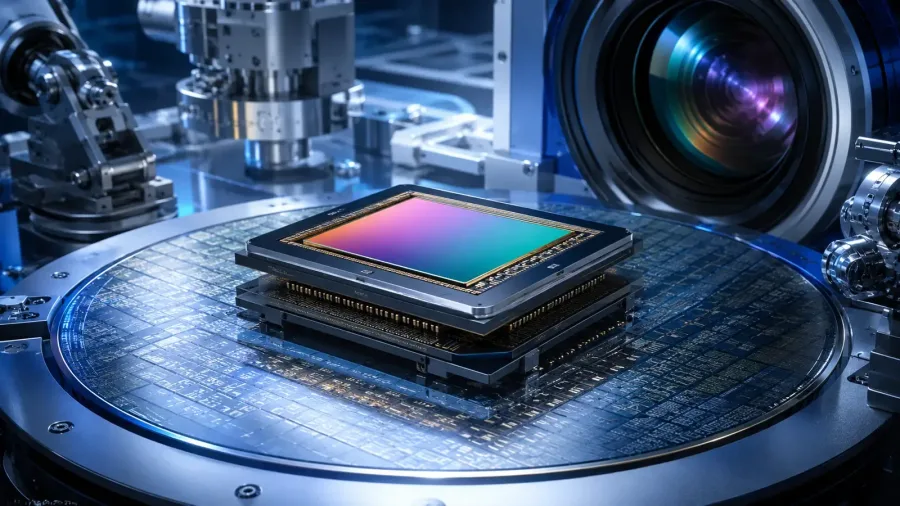
Sony Group has said detailed discussions with Taiwan Semiconductor Manufacturing Company are progressing smoothly toward definitive agreements for a next-generation image sensor partnership. The update appeared in Sony’s July 31 earnings materials and follows a non-binding memorandum of understanding announced by Sony Semiconductor Solutions and TSMC on May 8. A new report on August 10 added proposed investment and ownership figures, but those details have not been confirmed by either company.
What Sony and TSMC have officially confirmed
Under the May memorandum, the companies intend to create a joint venture to develop and manufacture next-generation image sensors. Sony would be the majority and controlling shareholder. Development and production lines would be installed at Sony’s newly built fabrication plant in Koshi City, Kumamoto Prefecture, Japan. The stated plan combines Sony’s sensor design expertise with TSMC’s semiconductor process technology and manufacturing capabilities.
The official announcement describes the memorandum as non-binding. It says creation of the venture remains subject to a definitive legally binding agreement and customary closing conditions. The companies were also discussing possible investment by the proposed venture, as well as phased capital spending tied to market demand. The May statement did not provide a final investment total, a fixed ownership split or a commercial production date.
Sony’s July update narrows the current status
In its first-quarter fiscal 2026 presentation, Sony said detailed talks were moving ahead with a view to signing final agreements. The company also incorporated approximately 10 billion yen in additional costs into its full-year forecast to prepare for establishment of the venture. That preparation cost is an official forecast item, but it is not the total value of the planned investment.
Sony said the partnership is intended to improve the technological competitiveness of future image sensors, including higher-density designs. The company also linked the work to demand beyond mobile devices, naming physical artificial intelligence applications such as automotive systems and robotics. TSMC’s May announcement similarly said the partners would explore those emerging uses while combining their respective design and manufacturing strengths.
Which details remain unconfirmed
Reuters reported on August 10, citing Japan’s Nikkei business daily, that the companies could spend about 1 trillion yen, or roughly $6.3 billion, and that a venture might be owned 60 percent by Sony and 40 percent by TSMC. The report also cited a possible start of commercial production as early as 2029 in Kumamoto. Reuters said Sony declined to comment on the Nikkei report and TSMC did not immediately respond to its request.
Those numbers should therefore be treated as reported proposals, not completed corporate decisions. The confirmed position remains the one in the companies’ May announcement and Sony’s July earnings update: a majority-controlled Sony venture is being discussed, negotiations are continuing, and a definitive agreement has not yet been announced. Until the companies disclose final terms, the investment amount, exact ownership ratio and production timetable remain unsettled.
Why the partnership matters
Image sensors convert light into digital information for devices including smartphones, vehicles and industrial systems. The proposed partnership is designed to combine specialized sensor architecture with advanced chip production. Its final scope will depend on the binding agreements, closing conditions, market demand and the phased investment decisions described by the companies. For now, the most important development is that the official talks have advanced, while the headline figures circulating on August 10 still require corporate confirmation.
