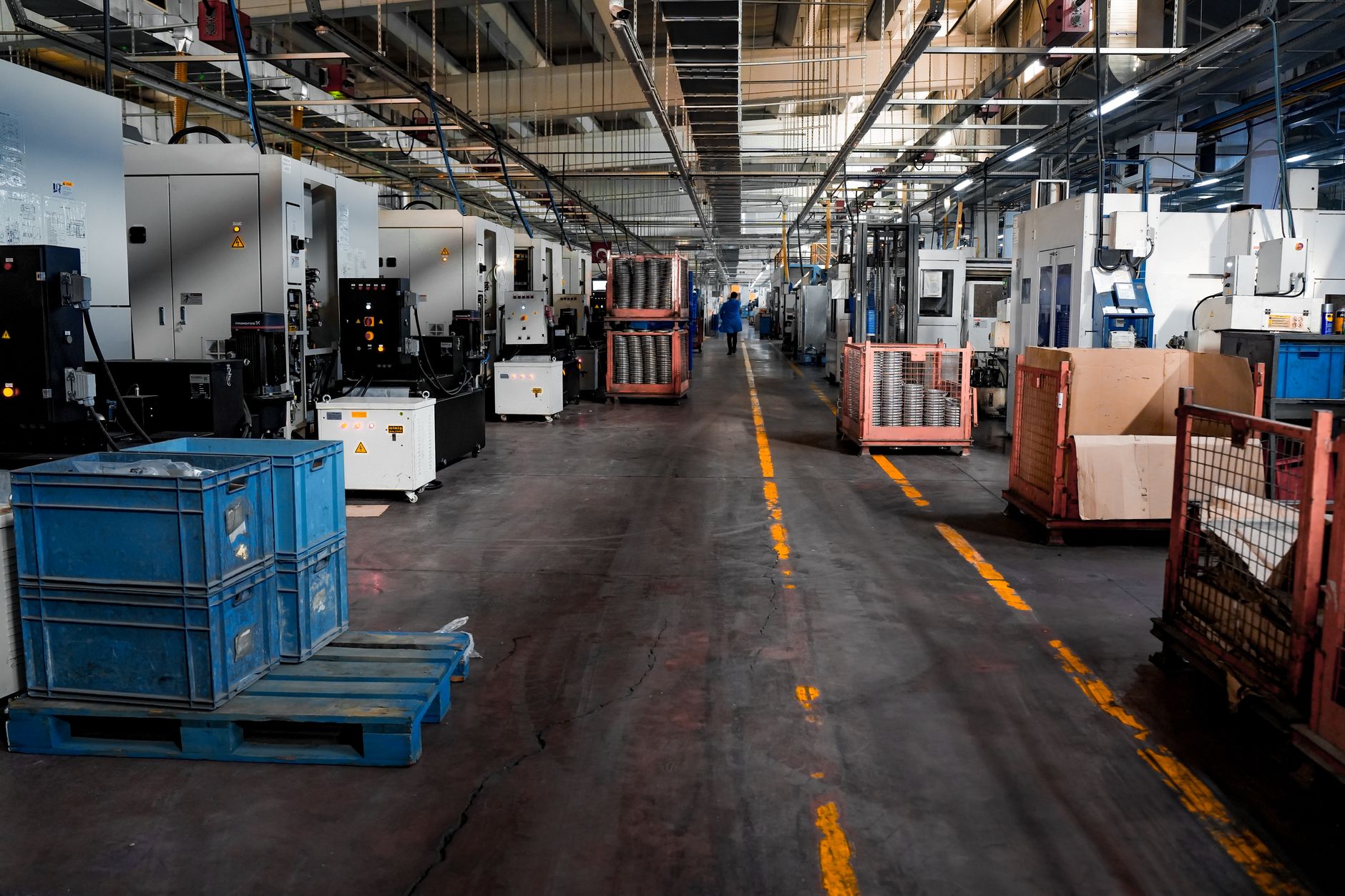
ISTANBUL — As temperatures in Southern Europe soared past 104 degrees Fahrenheit (40 degrees Celsius) in the summer of 2026, a manufacturing boom erupted nearly 1,500 miles away in Turkey. Turkish heating, ventilation, and air conditioning (HVAC) plants are running around the clock to satisfy an insatiable demand for cooling units from a continent that is rapidly heating up. Tunç Korun, Chairman of the Turkish Air Conditioning and Refrigeration Manufacturers' Association (İSKİD), told reporters that emergency procurement requests from European distributors have forced the industry to shift into a wartime-like production footing.
Europe's climate emergency creates a Turkish export boom
Data from the World Meteorological Organization confirms that June 2026 was one of the hottest on record for the European continent, with deviations reaching up to 12 degrees above seasonal norms. The extreme weather has fundamentally altered consumer behavior in traditionally cooler markets like Germany, the Netherlands, and Belgium, where residential air conditioning was once considered an unnecessary luxury. Turkish manufacturers, benefiting from a customs union agreement with the European Union and a geographic proximity that allows for 24-hour delivery times, have emerged as the primary emergency suppliers for the sweltering bloc. The sector closed 2025 with approximately $6 billion in total exports, but projections for 2026 suggest that figure could surge past the $8 billion mark solely on the back of European demand.
Production facilities concentrated in Turkey's Aegean region—specifically in the industrial zones of Manisa and İzmir—have transitioned to three-shift operations. Factory managers describe the atmosphere as a 'positive crisis,' where the challenge lies not in finding buyers but in physically producing and shipping units fast enough. The surge is particularly pronounced in the split air conditioner segment, where Turkish brands have gained a reputation for offering high Seasonal Energy Efficiency Ratios (SEER) at competitive price points compared to their Asian rivals.
Logistical challenges and air freight records
The urgency of the situation has upended traditional shipping logistics. While the industry typically relies on maritime container transport, the immediate need for cooling has shifted a significant portion of deliveries to air cargo. Turkish Airlines' freight division has reported record volumes of HVAC equipment bound for Madrid, Rome, and Athens. This shift, while costly, highlights the desperation of European distributors facing empty warehouses and angry customers during a relentless heatwave.
Turkey's strategic advantage over Asian competitors
The global HVAC supply chain, long dominated by manufacturing giants in China and South Korea, is witnessing a regional shift. The transit time from a Turkish factory to a European logistics hub is less than three days by truck and a matter of hours by air, compared to weeks-long sea voyages from East Asia. This proximity advantage has been magnified by the ongoing disruptions in the Red Sea and the lingering effects of global container shortages that plagued trade in 2024 and 2025. European buyers, burned by long lead times during the pandemic era, are increasingly willing to pay a premium for the speed and reliability offered by Turkish suppliers.
Furthermore, the 'nearshoring' trend is not just about speed. Turkey's alignment with EU regulatory standards, particularly the F-Gas Regulation which mandates the phase-down of hydrofluorocarbons, gives its products a seamless entry into the European market. İSKİD Chairman Korun emphasized that Turkish manufacturers have already invested heavily in R-32 and R-290 (propane) refrigerant technologies, making their products compliant with the strictest environmental norms—a critical factor for European corporate buyers focused on ESG (Environmental, Social, and Governance) metrics.
The Green Deal and technology investments
Looking beyond the immediate demand spike, the Turkish HVAC sector is positioning itself for a future defined by the European Green Deal. Companies are increasingly integrating solar-hybrid systems into their product lines, allowing air conditioners to run partially on photovoltaic energy during peak sun hours. This innovation is particularly appealing to Southern European markets where air conditioning load coincides perfectly with solar generation curves.
Economic implications for a stabilizing Turkish economy
For Turkey, an economy that has battled high inflation and a volatile currency in recent years, the HVAC export boom represents a vital source of hard currency. According to central bank data, the net foreign exchange inflow from the climate control sector is estimated at approximately $500 million per month during the summer of 2026. This influx provides significant support to the Turkish lira and helps finance the country's chronic current account deficit. The economic ministry has identified the HVAC sector as a strategic pillar in the nation's export-oriented growth model, with incentives being provided for capacity expansion and R&D activities.
The ripple effects extend deep into the industrial supply chain. The production of copper piping, aluminum fins, and injection-molded plastics—all sub-sectors feeding the final assembly lines—is experiencing similar growth rates. Industry analysts note that for every direct job created on a climate control assembly line, approximately three indirect jobs are supported in the broader manufacturing ecosystem. This multiplier effect is particularly valuable in a year where the Turkish government is prioritizing employment and industrial output as key performance indicators.
The human dimension of a continental cooling crisis
Behind the trade figures and production statistics lies a stark public health reality. The European heatwaves of 2026 have strained hospital systems and highlighted the deadly consequences of inadequate cooling infrastructure. Turkish portable air conditioners, often seen as a stop-gap solution, have become life-saving devices in care homes and hospitals across the continent. This humanitarian aspect of the trade surge has been a point of pride for Turkish exporters, who view their products not just as commodities but as essential tools for climate adaptation. As global temperatures continue to break records, the relationship between Europe's climate vulnerability and Turkey's industrial capacity is likely to deepen, transforming a temporary trade spike into a permanent strategic partnership.
