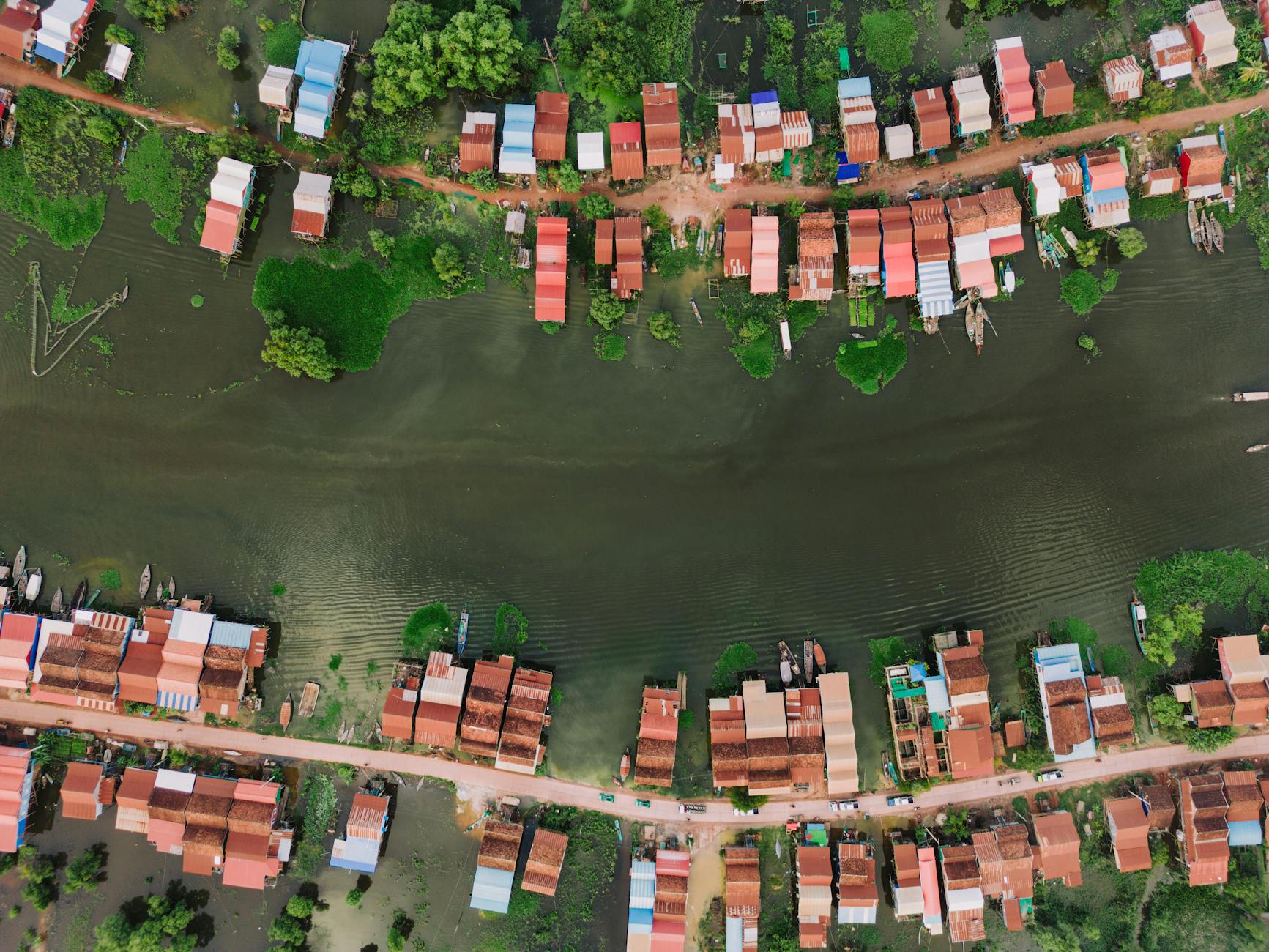
The death toll from catastrophic monsoon flooding in southeastern Bangladesh climbed to at least 44 on July 11, 2026, with more than a million people stranded as rescue workers struggled to reach devastated communities cut off by washed-out roads and communication blackouts. The torrential rains, which began in late June and intensified dramatically in the second week of July, have triggered hundreds of landslides across the Chittagong Hill Tracts, burying entire villages and overwhelming the country's disaster response systems. Authorities warn the situation is likely to worsen as rivers swollen by runoff from upstream India continue to rise.
Bangladesh, a low-lying delta nation of 170 million people, is no stranger to monsoon flooding. But the 2026 season has brought rainfall of an intensity not seen in six decades, according to the Bangladesh Meteorological Department. The southeastern port city of Chittagong recorded over 300 millimeters of rain in just 72 hours — a July record that has transformed streets into rivers and forced the closure of the country's busiest seaport. Military helicopters are airlifting food and medicine to isolated communities, but with weather conditions remaining treacherous, the full scale of the disaster is only beginning to emerge.
Cox's Bazar: A refugee crisis within a crisis
Among the hardest-hit areas is Cox's Bazar, a coastal district that hosts the world's largest refugee settlement — nearly one million Rohingya Muslims who fled ethnic cleansing in neighboring Myanmar. The makeshift bamboo-and-tarpaulin shelters that house these refugees offer virtually no protection against landslides and flash floods. The United Nations High Commissioner for Refugees (UNHCR) confirmed at least 12 deaths in the camps, with more than 50,000 people displaced as of July 11. Aid workers describe scenes of families clinging to collapsed structures in chest-deep water, with emergency food stocks ruined and latrines overflowing, creating a perfect storm for waterborne disease outbreaks.
The 2026 monsoon disaster has reignited urgent questions about the long-term viability of the Cox's Bazar camps. Following similar — though less severe — flooding in 2025, international donors pledged $300 million for relocation and infrastructure reinforcement. But humanitarian agencies say only a fraction of those funds materialized, and the temporary retaining walls and drainage channels built last year proved no match for this season's record rainfall. The UN is now calling for an emergency $150 million flash appeal, warning that without immediate action, the camps face a public health catastrophe that could rival the initial 2017 refugee influx in its humanitarian impact.
Economic disruption and global supply chain risks
The flooding has dealt a severe blow to Bangladesh's economy, which was already navigating headwinds from global inflation and reduced garment orders. Chittagong Port, which handles over 90% of the country's international trade, has been effectively paralyzed since July 9. This disruption is rippling through global supply chains — Bangladesh is the world's second-largest apparel exporter after China, supplying major retailers including H&M, Zara, and Walmart. Industry associations estimate that each day of port closure costs the garment sector approximately $150 million in delayed shipments. With the critical holiday-season production window approaching, brands are scrambling to assess the impact on their autumn inventories.
Beyond garments, the agricultural sector faces devastation. Preliminary government assessments indicate that over 200,000 hectares of rice paddies are submerged, threatening the country's food security at a time when global grain prices remain elevated due to the ongoing war in Ukraine. The Bangladesh Bank has signaled it may need to relax import duties on rice and other staples, a move that would strain foreign currency reserves already under pressure. Economists warn the combined impact of infrastructure damage, lost exports, and emergency food imports could shave up to 1.5 percentage points off Bangladesh's GDP growth for the 2026 fiscal year.
Climate adaptation failures and the search for durable solutions
The 2026 floods have laid bare the inadequacy of Bangladesh's climate adaptation infrastructure, despite the country being widely regarded as a global leader in disaster preparedness. Over the past two decades, Bangladesh has invested billions in cyclone shelters, early warning systems, and embankment reinforcement — investments that dramatically reduced cyclone death tolls. But the nature of the threat is changing. Where once the primary danger came from storm surges and coastal cyclones, increasingly it is extreme precipitation and flash flooding that pose the greatest risk. The country's drainage systems, designed for the rainfall patterns of the 20th century, are overwhelmed by the downpours of the 21st.
In Dhaka, policymakers are now urgently revisiting the Bangladesh Delta Plan 2100, a long-term strategy developed with Dutch expertise. The original plan prioritized coastal polders and river dredging, but the 2026 disaster is forcing a pivot toward urban flood resilience and hillside stabilization. Engineers are proposing a network of retention ponds and restored wetlands around Chittagong, while geologists call for a complete ban on hillside construction in landslide-prone zones. These measures would require massive investment — an estimated $5 billion over the next decade — at a time when Bangladesh's access to international climate finance remains frustratingly slow. Prime Minister Sheikh Hasina has made clear she intends to make adaptation funding the centerpiece of Bangladesh's demands at COP32 in Egypt this November.
International response and geopolitical dimensions
The disaster has triggered a complex international response shaped as much by geopolitics as by humanitarian need. India, which shares multiple river systems with Bangladesh, has faced criticism for releasing water from upstream dams without adequate warning — an accusation New Delhi denies, attributing the flooding to unprecedented rainfall alone. China, Bangladesh's largest trading partner and a major investor in infrastructure projects through the Belt and Road Initiative, has dispatched a medical team and pledged $5 million in emergency aid. The United States has deployed assets from its Indo-Pacific Command, while the European Union activated its Civil Protection Mechanism, coordinating offers of assistance from member states including specialized water rescue teams from the Netherlands and Germany.
Turkey has also emerged as a significant humanitarian actor in the crisis. The Turkish Red Crescent, operating under the coordination of AFAD (Turkey's Disaster and Emergency Management Authority), has deployed a team to Cox's Bazar, where Turkey already maintains a substantial aid presence supporting Rohingya refugees. Ankara has committed $500,000 in immediate relief supplies, including water purification units and food parcels. The Turkish Cooperation and Coordination Agency (TİKA) is leveraging its existing networks in the camps to distribute aid. For Turkey, which has cultivated a role as a leading humanitarian donor relative to its GDP, the Bangladesh response reinforces its broader strategy of soft power projection in South Asia and the Muslim world — a dimension of foreign policy that has grown increasingly important in the shifting geopolitical landscape of 2026.
The human toll and the uncertain road ahead
As the floodwaters begin a slow and uneven retreat, the true cost of the 2026 monsoon disaster is becoming clearer — and it is measured in more than just economic losses. Families are mourning loved ones swept away by landslides or drowned in their homes. Children are missing school, many of which have been converted into emergency shelters or destroyed entirely. The psychological toll on communities that have endured repeated climate shocks — the 2025 floods, the COVID-19 pandemic before that, and for the Rohingya, the genocide that drove them from Myanmar — is immeasurable. Mental health services, already scarce in Bangladesh, are virtually nonexistent in the disaster zone.
Looking ahead, the immediate priority remains search and rescue, followed by the provision of clean water, food, and emergency shelter. But the 2026 floods must also serve as a catalyst for a fundamental rethinking of how Bangladesh — and the international community — approaches climate resilience. The country cannot simply rebuild the same vulnerable structures in the same vulnerable locations and expect a different outcome. Floating schools, amphibious housing, elevated roads, and, most controversially, managed retreat from the most dangerous hillsides and floodplains must all be on the table. For a nation that has long been held up as a model of climate adaptation, the 2026 monsoon season is a humbling reminder that in the era of accelerating climate change, past successes offer no guarantee of future survival.
