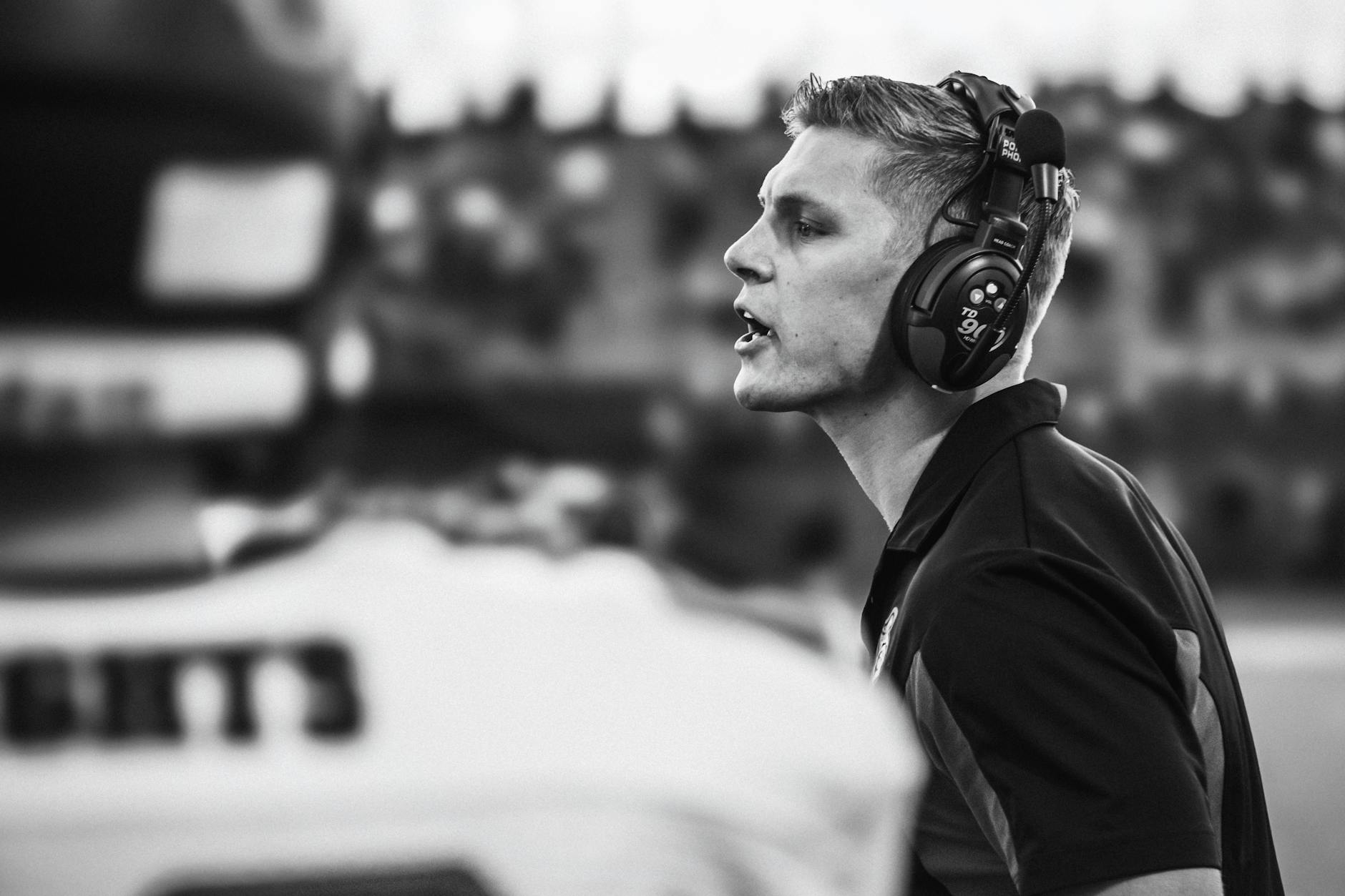
In the high-stakes world of Turkish football, where managerial tenures are often measured in months rather than years, a quiet revolution has been unfolding at Galatasaray. As of July 15, 2026, Okan Buruk has officially become the longest-serving manager in a single spell at the Istanbul-based club, surpassing the legendary Fatih Terim's previous record of 1,387 consecutive days set during his iconic 1996-2000 era. Buruk's 1,481-day reign represents not just a statistical milestone, but a fundamental shift in how one of Turkey's most demanding clubs approaches leadership and stability.
The Significance of Stability in Turkish Football
Turkish football has long been notorious for its hire-and-fire culture, where managers at the country's top clubs often struggle to complete a full season. Against this backdrop, Buruk's achievement carries weight far beyond the confines of Galatasaray's Florya training complex. When he took over in June 2022, the club was emerging from a turbulent period marked by frequent coaching changes and inconsistent performances. Four years later, Buruk has not only restored domestic dominance but has also fundamentally altered the narrative around managerial longevity in the Turkish Super Lig.
The numbers paint a compelling picture of Buruk's impact. Over 200 official matches at the helm, he has maintained a winning percentage exceeding 65%, securing two Super Lig titles and a Turkish Cup along the way. These figures align remarkably closely with Terim's legendary first tenure, which yielded four consecutive league championships and the historic 2000 UEFA Cup triumph. For international observers unfamiliar with Turkish football's volatility, Buruk's tenure is equivalent to a Premier League manager surviving four full seasons at a top-six club while consistently delivering silverware—a rarity in any major European league.
Comparative Longevity in European Football
When placed in a broader European context, Buruk's 1,481-day spell invites comparisons with stability-focused projects like Diego Simeone's tenure at Atlético Madrid or Jürgen Klopp's rebuilding phase at Liverpool. While Galatasaray operates in a different financial ecosystem, the underlying principle remains the same: sustained success requires patience, institutional backing, and a coherent tactical identity. Buruk's ability to implement these elements in an environment as pressurized as Istanbul's football scene marks him as a case study in modern management resilience.
Buruk's Managerial Philosophy and Tactical Evolution
Unlike his predecessor Terim, whose leadership style was defined by charismatic authority and emotional intensity, Buruk has carved out a reputation as a methodical, data-driven tactician. His approach emphasizes squad rotation, youth development, and a flexible tactical system that adapts to opponents rather than rigidly adhering to a single formation. This evolution reflects broader trends in European coaching, where analytical rigor increasingly complements traditional motivational skills.
One of Buruk's most notable achievements has been his ability to manage a diverse squad featuring high-profile international stars alongside emerging Turkish talents. The harmonious integration of players like Argentine striker Mauro Icardi, Belgian playmaker Dries Mertens, and homegrown talents such as Barış Alper Yılmaz demonstrates a sophisticated man-management approach. During the 2026 summer transfer window, Galatasaray's ability to retain its core players—despite significant interest from European clubs—underscored the positive environment Buruk has cultivated at the club.
Youth Development as a Sustainability Model
Perhaps Buruk's most enduring legacy will be his commitment to Galatasaray's academy. Over the past four years, he has successfully graduated at least five academy players into the first-team setup, with their combined market value now exceeding €50 million. This focus on youth development serves a dual purpose: it strengthens the squad while providing a sustainable economic model in a league where financial fair play constraints increasingly dictate strategy. For clubs across Europe seeking templates for long-term competitiveness, Galatasaray under Buruk offers a compelling blueprint.
Navigating Pressure and Public Scrutiny
Managing Galatasaray, one of Turkey's largest and most passionately supported institutions, extends far beyond tactical preparation. Buruk's tenure has been punctuated by moments of intense public scrutiny, particularly following early European exits and derby defeats to rivals Fenerbahçe and Beşiktaş. Yet, unlike many of his predecessors who were dismissed during similar crises, Buruk benefited from unwavering support from the club's board, led by president Dursun Özbek. This institutional patience proved crucial, especially during a turbulent spell in 2025 that could have derailed a less secure manager.
In his dealings with the media, Buruk has adopted a notably different approach from Terim's often combative style. His measured press conferences and preference for letting results speak for themselves have served him well in an era dominated by social media scrutiny. By 2026, Buruk is recognized not merely as a football coach but as a skilled crisis manager—a quality increasingly valued in modern football's high-pressure environments. His ability to maintain composure during difficult periods has become a hallmark of his leadership, earning respect from both local and international observers.
The European Ambition and the Terim Benchmark
For all his domestic success, the ultimate benchmark for any Galatasaray manager remains European achievement. Fatih Terim's 2000 UEFA Cup victory set a standard that has loomed over every subsequent appointment. As Buruk enters the 2026-2027 season, he has publicly targeted a Champions League quarterfinal berth—a goal that would significantly enhance his own European legacy. The club's summer recruitment strategy is reportedly focused on acquiring the specific profiles needed to compete at that level, signaling ambition that matches the historical moment.
Implications for Turkish Coaching and Beyond
Buruk's record-breaking tenure carries significant implications for Turkish football's coaching ecosystem. For years, Super Lig clubs—particularly those outside the traditional 'big three' of Galatasaray, Fenerbahçe, and Beşiktaş—have frequently turned to foreign managers in search of stability and expertise. Buruk's success offers a powerful counter-narrative, demonstrating that a Turkish coach with a clear philosophy and institutional backing can achieve sustained excellence. At coaching development seminars organized by the Turkish Football Federation in summer 2026, Buruk's career trajectory has already been incorporated as a case study for aspiring managers.
As of mid-2026, the average tenure for a Super Lig manager remains below 1.2 seasons, making Buruk's four-year milestone appear almost anomalous. Yet his example may gradually shift perceptions among club boards and fanbases alike. The correlation between stability and success at Galatasaray provides compelling evidence that patience, when paired with competence, yields tangible rewards. For international clubs and analysts monitoring football's global trends, the Buruk era at Galatasaray represents a fascinating test case in sustainable leadership within a traditionally volatile football culture. With a contract extension until 2028 already in place and discussions about further prolonging it underway, Okan Buruk's journey from a promising Turkish coach to a record-setting figure appears far from over.
A Legacy Still in the Making
While the 1,481-day record cements Buruk's place in Galatasaray's history books, he remains characteristically focused on the future. His repeated insistence that he wishes to be remembered 'for trophies, not statistics' reflects a mindset geared toward continued achievement rather than resting on laurels. As the 2026-2027 campaign approaches, the football world will watch closely to see whether Buruk can translate his domestic longevity into the European success that would elevate him from a statistical record-holder to a true legend of the club.
