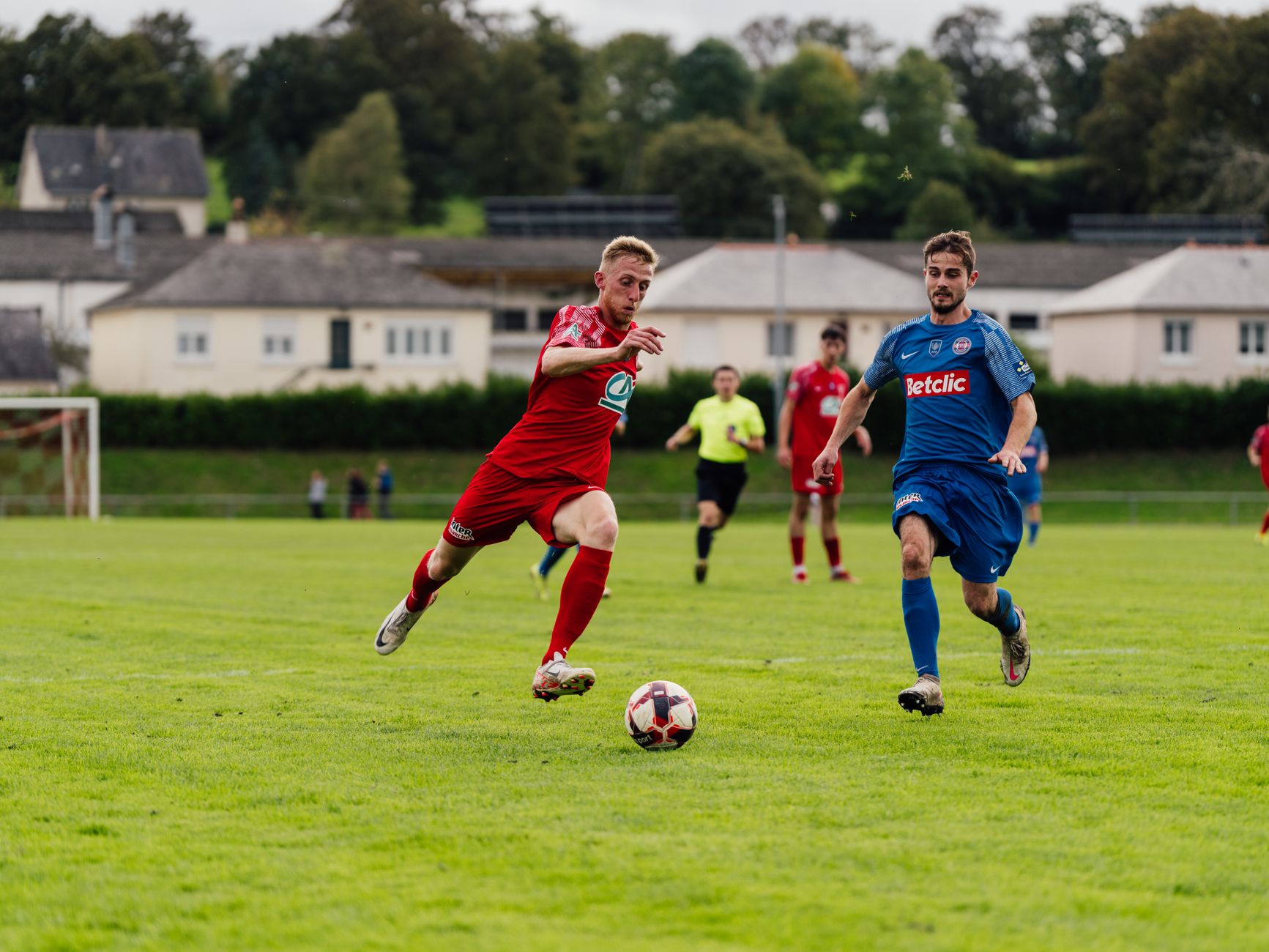
The summer of 2026 isn't just another transfer window—it's a stress test football has never faced. As Premier League and EFL clubs prepare to open the market on 10 June, the entire recruitment calendar collides head-on with the FIFA World Cup, turning squad building into a high-stakes puzzle. Deadlines aren't just dates on a calendar; they are red lines that, if crossed poorly, could unravel an entire season before it begins.
The Dates That Matter: Opening and Closing the 2026 Premier League Transfer Window
Clubs have officially been notified: the 2026 summer transfer window will open on Wednesday, 10 June, and close on Tuesday, 1 September, at 17:00 BST for the Premier League and EFL. On paper, a 12-week window seems generous. In reality, the heart of that period—July—will be almost entirely consumed by the World Cup, hosted across the USA, Mexico, and Canada from 11 June to 19 July. This means that the traditional rhythm of early-summer scouting, bids, medicals, and pre-season integration is effectively shattered. For context, during the 2025 summer window, top-flight clubs completed 68 percent of their permanent signings before July 20. In 2026, that same timeframe will see top targets playing knockout football thousands of miles away, unreachable for negotiation or medical examination.
Why the World Cup Axes the Traditional Summer Timeline
Normally, a summer transfer window is a linear process: identify targets in May, negotiate in June, seal deals in July, and bed players in during August friendlies. The 2026 World Cup imposes a brutal compression. Agents will be using tournament performances as live bargaining chips. A centre-back who shines in a quarter-final could see his valuation swing by £20 million within 72 hours. Adding to the complexity, FIFA's international release protocols mean that even after elimination, players are entitled to mandatory rest periods, delaying medicals and visa appointments. Sporting directors are forced to make binary choices: commit early and risk overpaying before the market peaks, or wait for the World Cup to end and gamble on a frantic, error-prone final two weeks.
The World Cup Effect: Why This Transfer Window Is Unlike Any Other
This is not simply a scheduling headache; it is a fundamental rewrite of transfer strategy. In a normal summer, clubs can spread their budget across the window, reacting calmly to market movements. In 2026, one exceptional World Cup performance can inflate a player's price tag beyond reach overnight. Conversely, a tournament injury or an underwhelming display can force a selling club into a last-minute discount. Premier League clubs spent a combined £2.4 billion in 2025's summer window, but analysts predict 2026 could see both fewer total transactions and higher volatility in individual deals. The gap between a smart buy and a panic purchase will be razor-thin.
The Hidden Risks of Late-Negotiation Frenzy
The greatest casualty of this window could be team chemistry. The 2026/27 Premier League season is slated to begin on 15 August, just 27 days after the World Cup final. A Deadline Day signing on 1 September will have precisely zero pre-season minutes with his new teammates. Historical data from the 2021 post-Euros window shows that players signed in the final two weeks had a 34 percent lower minute-share in the first half of the season compared to early signings. Medical departments are also bracing for chaos: juggling routine transfer medicals with World Cup injury assessments will stretch club doctors to the limit. A failed medical on Deadline Day in 2026 won't just embarrass a club—it could leave them without a critical position filled for months.
EFL Clubs: The Greater Struggle in a Compressed Market
If Premier League clubs are walking a tightrope, EFL sides are navigating it in a storm. Championship, League One, and League Two clubs operate on thinner margins, with 2025 summer spending across the EFL totaling approximately £220 million—a fraction of top-flight expenditure. In 2026, many of these clubs will be forced to complete their primary business either before the World Cup kicks off or after the tournament concludes in late July. The middle weeks, when Premier League attention pivots entirely to the global stage, could freeze the lower-tier market. Loan deals, which the EFL heavily relies on, will be even more uncertain; top-flight clubs will be reluctant to release fringe players until their own World Cup-influenced squads are fully assessed.
Smart Scouting or Desperate Gambles?
The World Cup does offer a silver lining for EFL teams: increased visibility of undervalued international talent. A midfielder from an African or Asian nation who delivers one spectacular group-stage performance could suddenly become an affordable target. But history warns against tournament-triggered impulse buys. After the 2018 World Cup, EFL clubs that signed players based primarily on their performance in Russia saw a 55 percent dissatisfaction rate, with many of those signings departing within 18 months. Data analytics departments will need to cross-reference tournament heat maps with full-season scouting reports to separate genuine quality from a four-game purple patch.
Deadline Day 2026: Unprecedented Twists Expected
Mark 1 September 2026 on your calendar, but don't expect the usual drama alone. This Deadline Day will be shaped by a unique cocktail: post-World Cup fatigue, compressed pre-season schedules, and a Premier League opening weekend already in the rearview mirror. The final hours could witness a surge of 'hijacked' deals, as clubs who have just watched a month of elite football suddenly scramble to fill gaps exposed by player exits or injuries. In 2025, Deadline Day generated £275 million in transfer volume; in 2026, some analysts predict it could break £310 million, driven entirely by deferred decisions. Yet others warn of a frozen market, where fear of overpaying paralyzes all but the wealthiest clubs.
What Past Deadlines Teach Us About 2026
Looking back at previous major tournament years provides a cautionary template. In 2021, the post-Euro summer saw a 22 percent spike in transfers completed in the final 48 hours. Many of those late moves ended in disappointment: players arrived without tactical familiarity, managers struggled to integrate them, and fan patience wore thin by October. For 2026, those risks are amplified. A club that waits until September to secure a key forward might not see a return on that investment until the winter months. The transfer window, traditionally a period of optimism, could morph into a blame game if results don't arrive quickly.
As the 2026 summer transfer window approaches, every director of football is asking the same question: do we move early in the dark, or wait for light that might blind us? The opening bell on 10 June won't just signal the start of player trading—it will mark the beginning of a psychological war. Those who navigate the World Cup distraction with clarity and courage will enter the new season armed. Those who don't may find themselves disarmed long before the leaves turn. Which side of history will your club land on?
