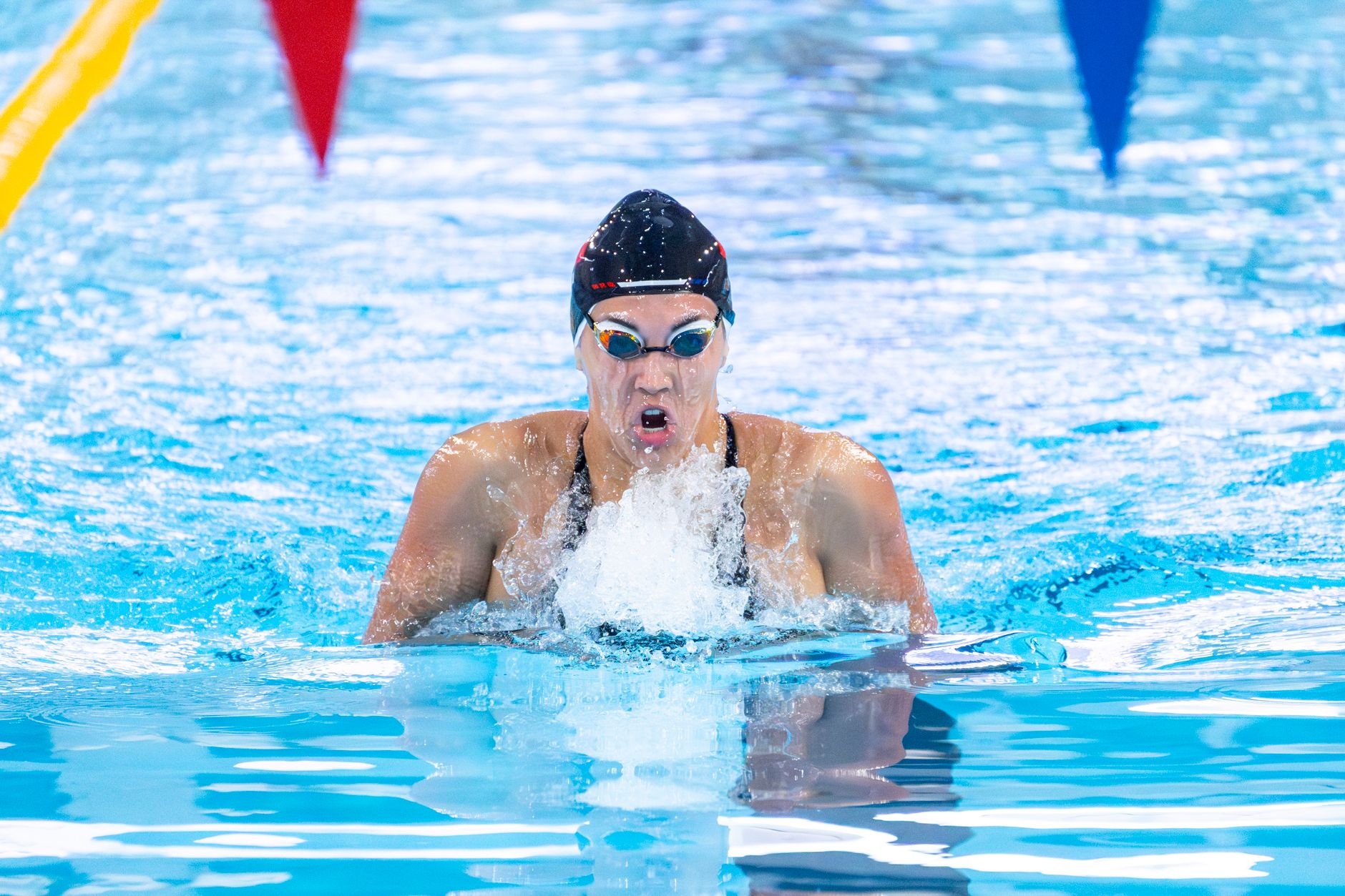
A record once considered untouchable in the post-polyurethane era has finally fallen. Canadian teenager Summer McIntosh has demolished the longest-standing world record in women's swimming, a mark that had stood since the height of the super-suit era in 2009. At just 19 years old, the three-time Olympic champion now holds four individual world records, redefining the boundaries of the sport.
The end of a 16-year drought in elite swimming
The previous world record was one of the last remaining vestiges of the 2009 Rome World Championships, a competition that saw an unprecedented number of records shattered due to the use of full-body polyurethane swimsuits. When the international governing body, now known as World Aquatics, banned these suits in 2010, many of those times were expected to stand for decades. For 16 years, this particular record did exactly that, resisting the challenges of multiple generations of elite swimmers.
McIntosh's swim represents more than just a number on a scoreboard. It is a symbolic passing of the torch from a controversial technological era to an era of pure athletic evolution. Her performance, achieved in standard textile swimwear, proves that human potential can eventually surpass even the most extreme technological advantages. The margin of victory over the old record was significant by swimming standards, signaling that McIntosh wasn't just pushing the limit—she was obliterating it.
The technical mastery behind the historic swim
Coaches and analysts point to McIntosh's exceptional underwater dolphin kicks and her ability to maintain stroke efficiency under extreme fatigue as the key differentiators. Her training regimen, which blends high-altitude conditioning with state-of-the-art biomechanical feedback, has created a swimmer capable of negative-splitting races that usually favor early aggression. This record solidifies her status as the overwhelming favorite for any event she enters in the lead-up to the 2028 Los Angeles Olympics.
A generational talent emerges from Canada's pipeline
With this latest feat, McIntosh now holds four individual world records, a tally that places her in the pantheon of all-time greats alongside names like Michael Phelps and Katie Ledecky. Her rise has been meteoric. After capturing three gold medals at the 2024 Paris Olympics, she has returned to the pool in 2026 with even greater speed and determination. Unlike many prodigies who struggle with the transition to senior competition, McIntosh has embraced the pressure, using it as fuel to push her times lower.
Hailing from Toronto, McIntosh benefits from a rich sporting pedigree—her mother, Jill Horstead, was an Olympic swimmer—but her work ethic is entirely her own. She possesses a rare combination of aerobic capacity and raw sprinting power, allowing her to dominate across multiple distances and strokes. This versatility makes her a threat in virtually any race she enters, a nightmare scenario for competitors trying to specialize in a single event.
How McIntosh stacks up against swimming legends
Statistical comparisons show that McIntosh's trajectory mirrors, and in some metrics exceeds, that of Katie Ledecky at the same age. While Ledecky revolutionized distance freestyle, McIntosh is proving to be a more versatile weapon, breaking records in a wider array of strokes. This adaptability suggests her medal ceiling at future Olympic Games could be historically high, potentially challenging the single-Games medal hauls of the sport's most decorated icons.
Global implications for competitive swimming
McIntosh's dominance is reshaping the strategic landscape of women's swimming. National federations around the world, particularly in Australia and the United States, are scrambling to analyze her technique and adjust their development programs accordingly. Her success validates a specific approach to youth training that emphasizes technical perfection and race IQ over sheer volume of yardage. As of mid-2026, she is the clear benchmark for excellence in the pool.
The commercial impact is equally significant. McIntosh has become one of the most marketable athletes in Olympic sports, attracting major sponsorships that typically go to track and field stars or male swimmers. Her appeal transcends national borders, positioning her as a global ambassador for swimming. This financial backing allows her to access cutting-edge training resources, creating a virtuous cycle that keeps her ahead of less-funded rivals.
The psychological weight of being the hunted
For the first time in her young career, McIntosh enters every competition as the prohibitive favorite. Sports psychologists note that this shift from hunter to hunted requires a different mental approach. So far, she has shown remarkable composure, but the true test will come when a rival finally pushes her to the limit. How she responds to that inevitable challenge will define the longevity of her reign at the top.
What lies ahead in 2026 and beyond
The 2026 season is far from over, and McIntosh has hinted that she is eyeing more records before the year concludes. With the World Aquatics Championships on the horizon, the swimming world is watching to see if she can translate her record-breaking form into a multi-gold medal haul at a major long-course meet. Her coaches are carefully managing her schedule to ensure she peaks at the right moments, avoiding the over-racing that has derailed previous prodigies.
Looking further ahead, the 2028 Los Angeles Olympics loom large. McIntosh will be in her physical prime, and expectations are sky-high. If she continues on this trajectory, she could leave California as the most decorated athlete of those Games. For now, she remains focused on incremental improvement, a philosophy that has served her well. The swimming community is witnessing a career that may one day be considered the greatest in the history of the sport.
The economic ripple effect of a swimming icon
McIntosh's success is driving a surge in swimming participation across Canada and beyond. Equipment manufacturers report increased sales of her preferred gear, and Canadian swimming clubs are experiencing record enrollment numbers. This 'McIntosh Effect' is generating new revenue streams for the sport, from broadcasting rights to grassroots funding, ensuring that her legacy will be measured not just in medals, but in the growth of the sport itself.
