As the technology world moves past the mid-point of 2026, Samsung Electronics is orchestrating a product blitz that could redefine its market standing across multiple categories. The Suwon-based conglomerate has already made headlines this year with its Galaxy S26 lineup and AI-powered Bespoke home appliances, but industry insiders suggest the most significant launches are still on the horizon. With foldable shipments projected to surpass 50 million units globally in 2026, according to Counterpoint Research, Samsung is positioning itself to dominate not just the smartphone conversation but the entire personal electronics ecosystem.
Leaked roadmaps and supply chain intelligence paint a picture of a company betting big on convergence—where health sensors, artificial intelligence, and seamless connectivity blur the lines between phones, wearables, and home devices. Here is a detailed breakdown of the eight products expected to anchor Samsung's second-half 2026 portfolio.
Samsung's foldable dominance strategy enters a new phase
The Galaxy Z Fold 7 and Z Flip 7 are poised to be the headline acts of Samsung's summer Unpacked event in Seoul. The Z Fold 7 is expected to feature a significantly thinner chassis, addressing one of the few remaining criticisms of the book-style foldable form factor. More importantly, Samsung's new 'Flex Glass' technology promises to make the crease on the 8-inch main display virtually invisible—a breakthrough that could finally silence skeptics who have dismissed foldables as a gimmick. The South Korean tech giant is reportedly using a new polymer structure that increases screen resilience by 30% while maintaining the flexibility crucial for the folding mechanism.
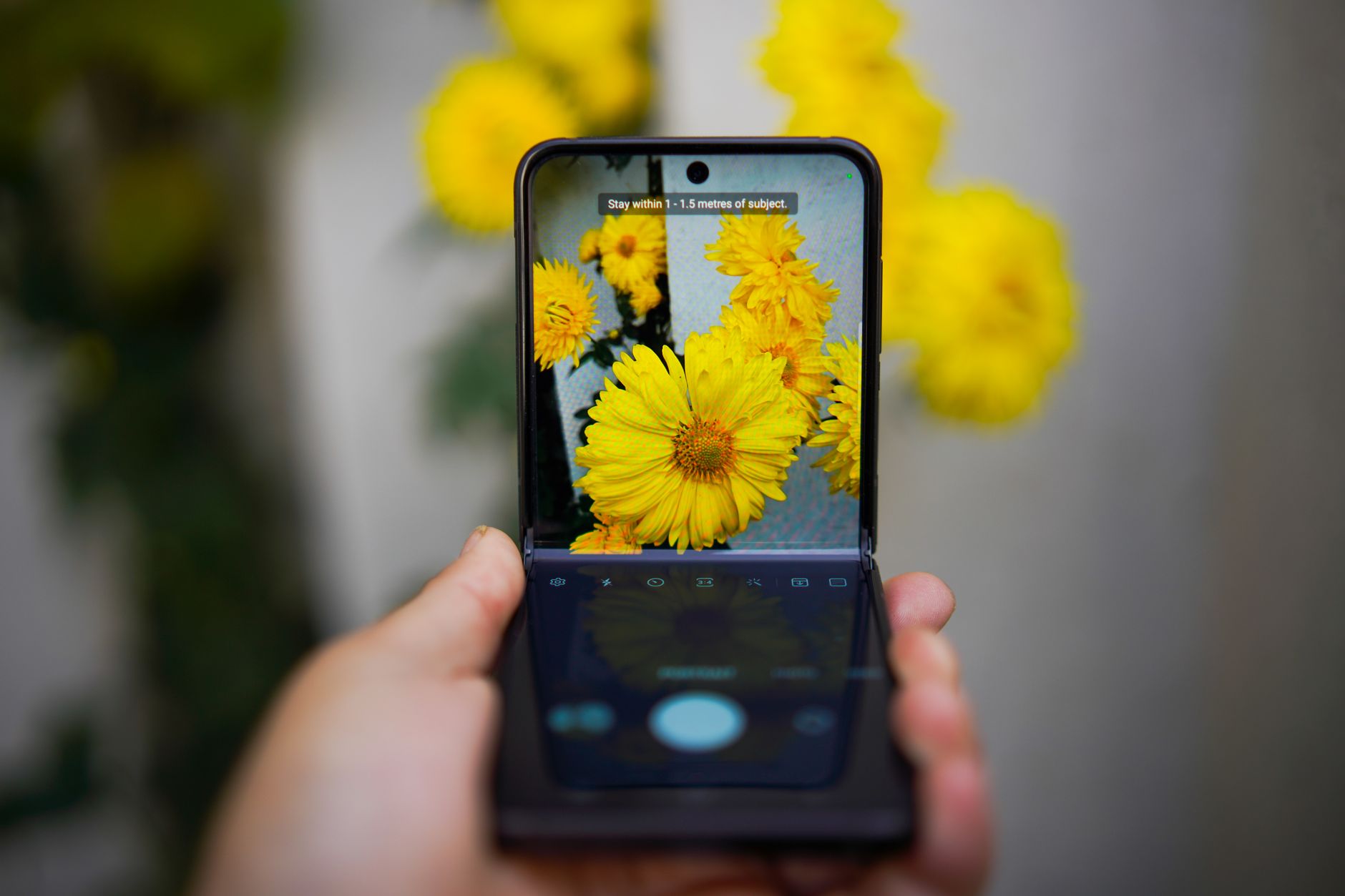
The Z Flip 7, meanwhile, is set to receive a substantial external display upgrade. Expanding the cover screen to 4 inches transforms it from a notification checker into a fully functional interface capable of running complete applications. Samsung's One UI software optimization will allow users to reply to messages, navigate with maps, and authorize payments without ever opening the device. This evolution reflects broader market trends—data from IDC shows that clamshell foldables are growing at a 42% faster rate than their larger counterparts, driven by their more accessible price points and compact form factors.
Competitive landscape in the global foldable market
While Chinese manufacturers like Honor and Xiaomi continue to push the boundaries of foldable hardware, Samsung maintains a critical advantage in software support and durability certification. The IPX8 water resistance rating remains exclusive to Samsung's foldables in 2026, and the company's commitment to five years of operating system updates provides enterprise users with the longevity they require. Analysts at Morgan Stanley note that Samsung's vertical integration—from displays to processors—gives it a cost structure advantage that will be difficult for competitors to match as the market matures.
The health-tech revolution in Samsung's wearables
Samsung's wearable strategy in 2026 centers on medical-grade health monitoring. The Galaxy Watch 8 Ultra is expected to introduce non-invasive continuous glucose monitoring (CGM), a feature developed in collaboration with researchers at the Massachusetts Institute of Technology. If accurate, this sensor could eliminate the need for finger-prick blood tests for millions of diabetes patients worldwide. The device's BioActive sensor array will also deliver enhanced heart rate tracking, body composition analysis, and sleep apnea detection with clinical validation from the FDA and its international counterparts.
Complementing the watch is the Galaxy Ring 2, which represents Samsung's bet on discreet health tracking. The second-generation smart ring adds Near Field Communication (NFC) for contactless payments and improves subcutaneous temperature monitoring accuracy. Weighing just 2.5 grams with a titanium body, the ring targets users who find sleeping with a watch uncomfortable but still want comprehensive sleep stage analysis. Samsung's dual-device strategy—watch for daytime, ring for sleep—creates a 24-hour health monitoring loop that feeds data into the Samsung Health AI platform for personalized insights.
Market shifts toward invisible technology
The 2026 wearable market reflects a broader industry pivot toward ambient computing—technology that fades into the background of daily life. Apple's smart glasses and Samsung's ring form factor both address screen fatigue and the growing consumer desire for less obtrusive devices. Gartner's mid-2026 report indicates that the 'invisible wearables' segment, including smart rings and sensor-equipped clothing, is on track to grow by 67% year-over-year, outpacing traditional smartwatch adoption rates.
Artificial intelligence as the unifying thread
Across Samsung's 2026 product lineup, artificial intelligence serves as the connective tissue. The Galaxy Tab S10 FE brings flagship-tier AI features to a mid-range price point, including real-time handwriting-to-text conversion, automatic note summarization, and sketch-to-illustration generation. Powered by the Exynos 2400e chipset with 12 GB of RAM, the tablet targets students and creative professionals who need powerful tools without the premium price tag. A 10,000 mAh battery with 45W fast charging ensures all-day productivity.
The Galaxy Buds 3 Pro push the AI envelope further with on-device real-time translation supporting over 20 languages. Unlike cloud-dependent solutions, the earbuds process translations locally, reducing latency and addressing privacy concerns. AKG-tuned dual drivers deliver spatial audio, while adaptive noise cancellation adjusts to environmental conditions. The integration with Samsung's ecosystem means the buds can relay heart rate data from a Galaxy Watch during workouts or transcribe meeting notes directly to a paired Galaxy Book laptop.
The ecosystem lock-in effect
Samsung's 2026 strategy mirrors Apple's playbook in one crucial respect: the more devices a user owns, the more value they extract from each individual product. The Galaxy Book 5 Pro 360 exemplifies this approach with its 'Seamless AI' feature, which allows users to place a Galaxy phone on the laptop's trackpad and instantly mirror the phone's screen for drag-and-drop file transfers. This integration creates switching costs that benefit Samsung's long-term customer retention metrics, which have improved by 23% since 2024 according to the company's latest earnings call.
Smart home and display innovation
The SmartThings Hub 2 represents Samsung's answer to the fragmented smart home landscape. With Matter protocol maturity in 2026, the new hub serves as a universal translator for connected devices while introducing edge AI processing. Routines that turn off lights, optimize solar panel output, and activate security cameras now execute in milliseconds without cloud dependency. This local processing architecture addresses the privacy concerns that have hindered smart home adoption in markets like Germany and Japan, while also reducing latency for time-sensitive automations.
Samsung's MicroLED TV technology finally reaches consumer-friendly price points with a 76-inch model in late 2026. Unlike OLED, MicroLED's self-emissive pixels deliver perfect blacks without any risk of burn-in, making it ideal for gaming and news channel viewing. The AI Picture Pro processor analyzes content in real-time, optimizing motion handling for sports while preserving cinematic grain in films. While the expected $8,000 price point positions it as a premium product, modular design allows users to expand screen size over time—a unique value proposition in the television market.
The trajectory of display technology
Samsung's simultaneous investment in foldable OLED for mobile devices and MicroLED for large displays demonstrates a dual-track strategy that leverages the company's display manufacturing dominance. Samsung Display, the conglomerate's panel-making arm, now controls 63% of the global foldable OLED market and is the sole supplier of consumer MicroLED panels above 70 inches. This vertical integration creates barriers to entry that will likely extend Samsung's technology leadership through the end of the decade.
