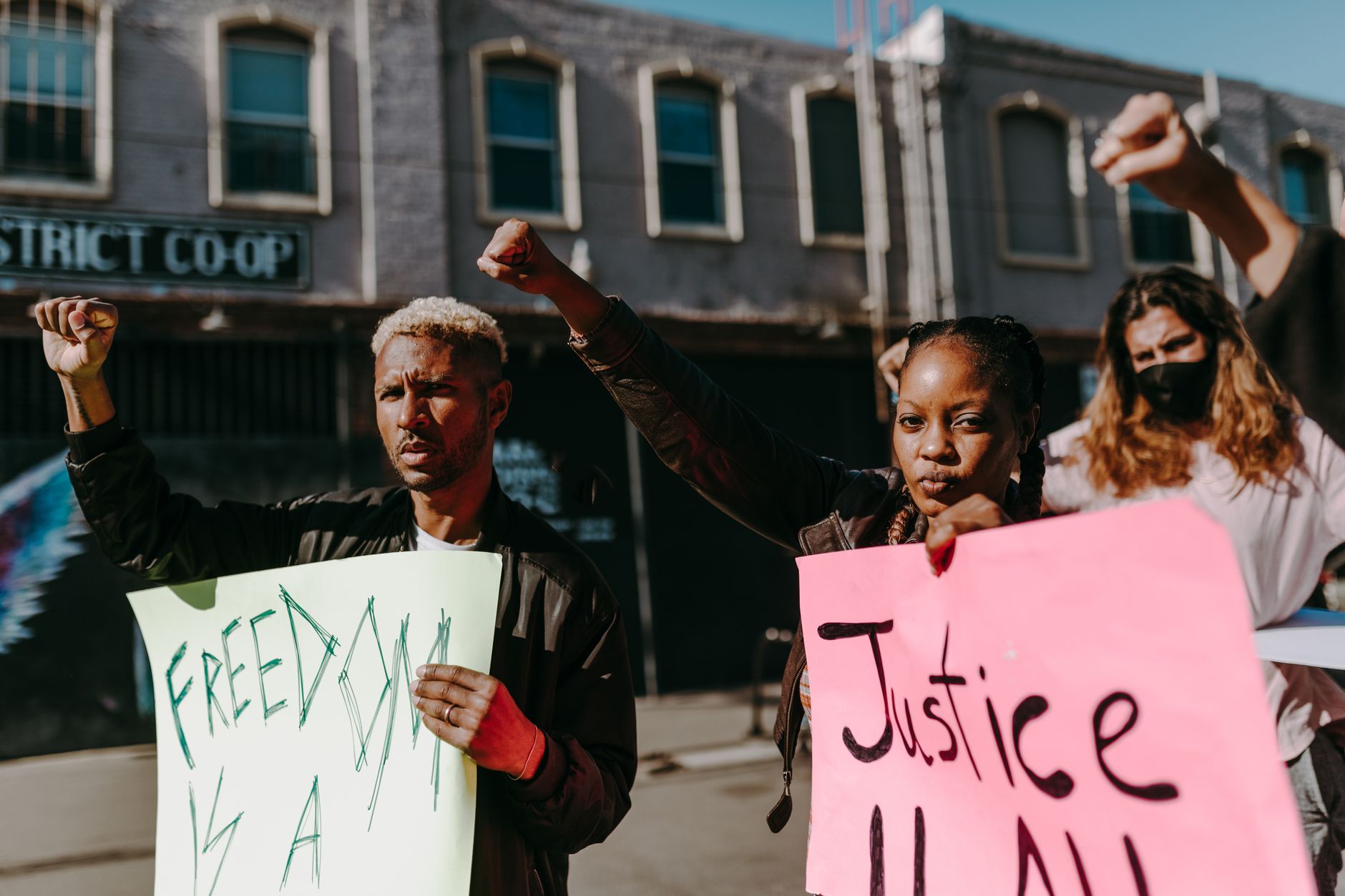
A simmering labor dispute in the United Kingdom's video game industry is set to boil over into a public demonstration. Former developers of the highly anticipated game MindsEye, who were laid off earlier this year by Edinburgh-based studio Build A Rocket Boy, have announced plans to protest outside the company's office on Monday, July 14, 2026. The target of their anger is a company-organized 'all-expenses-paid playtest day,' an event they describe as a tone-deaf celebration that mocks their sudden job losses and highlights a growing disconnect between corporate marketing strategies and worker welfare in the global gaming sector.
The protest, organized through social media and private networks of former employees, aims to draw a stark contrast between the company's willingness to spend lavishly on community engagement and its decision to cut staff. A spokesperson for the laid-off workers stated, 'To fly people in, put them up in hotels, and wine and dine them to test a game we poured our hearts into, just months after discarding us, is a profound insult. It exemplifies everything wrong with how talent is valued in this industry.' Build A Rocket Boy has not yet issued a public response to the planned demonstration or the specific criticisms raised by its former workforce.
Edinburgh demonstration spotlights growing labor unrest in the UK gaming scene
The planned protest in Edinburgh is not an isolated incident but rather a symptom of deep-seated structural issues within the video game industry. Throughout 2025 and into 2026, the sector has been rocked by relentless waves of layoffs, with over 23,000 jobs lost globally in that period. Build A Rocket Boy's decision to downsize its MindsEye team in February 2026 was part of this broader, grim trend. What makes this particular case so volatile is the stark juxtaposition: the company's subsequent announcement of a generously funded promotional event while former employees grapple with unemployment and an uncertain future in a highly competitive job market.
Edinburgh has grown into a significant tech hub in recent years, but the local game development community remains relatively tight-knit. The protest is expected to draw not only former MindsEye staff but also supporters from other studios and members of the UK's burgeoning game worker advocacy groups. The demonstration will serve as a physical manifestation of the anger and anxiety permeating the industry, where multi-million dollar marketing campaigns often coexist with precarious employment contracts and a lack of collective bargaining power. The event is scheduled to begin at 10:00 AM local time, with organizers promising a peaceful but vocal assembly.
Demands beyond severance: a call for structural change
The protesting developers are not merely seeking additional compensation, though enhanced severance packages are a key demand. Their broader platform calls for a fundamental shift in how game studios treat their employees. They are demanding that Build A Rocket Boy establish a formal, independent worker representation mechanism and commit to a policy of re-hiring laid-off staff before opening new external searches for future projects. This push reflects a wider movement across the UK and Europe, where independent unions like Game Workers Unite (GWU) have seen membership surge by 40% in 2026 alone, reaching over 3,500 members as workers seek a collective voice against unilateral management decisions.
The precarious economics of AAA game development and marketing spend
The MindsEye controversy throws a harsh light on the financial priorities of modern game studios. While exact figures are not public, industry analysts estimate the budget for an 'all-expenses-paid' playtest event, including flights, accommodation, and hospitality for dozens of external testers, could easily reach £150,000 to £200,000. This sum, protestors argue, could have funded several months of salary for the developers who were let go, or provided a more substantial safety net during their job search. The decision to allocate funds to a marketing-focused community event instead of human resources has become the central grievance.
This situation is emblematic of what critics call the 'feast or famine' cycle of AAA game development. Studios ramp up spending dramatically to polish and market a title like MindsEye, which is being shepherded by former Grand Theft Auto producer Leslie Benzies, but often view the large development teams as a temporary cost to be shed once a project nears completion. An anonymous former Build A Rocket Boy programmer commented, 'The irony is that the game's quality, the very thing they are now paying people to test and praise, was built by the people they just let go. Our reward for that hard work was a termination notice.'
MindsEye: a high-profile project caught in the crossfire
MindsEye is a cinematic, story-driven action-adventure title and the debut major release from Build A Rocket Boy, a studio founded by Rockstar Games veteran Leslie Benzies. Given Benzies' pedigree, the game has been one of the most watched new intellectual properties in the industry, with a planned launch in late 2026. The labor dispute and subsequent protest now threaten to overshadow the game's marketing campaign. The negative publicity could impact pre-order numbers and critical reception, transforming what should be a triumphant launch for a new studio into a case study in how not to manage a creative workforce during a project's final, crucial months.
Global ripple effects and the player community's ethical stand
The protest in Edinburgh is resonating far beyond the United Kingdom. In an increasingly interconnected industry, news of the demonstration has spread rapidly through global developer networks and player communities on platforms like Reddit and X. A growing segment of the gaming audience is becoming more ethically conscious, expressing solidarity with developers and questioning the human cost of their entertainment. Some players have publicly stated they will boycott the playtest event, while others plan to join the picket line in Edinburgh. This shift in consumer awareness adds a new layer of pressure on publishers, for whom public image and community goodwill are invaluable assets.
For the broader international gaming industry, the MindsEye case serves as a stark warning. The events in Scotland could inspire similar actions at other studios facing labor disputes. From the SAG-AFTRA voice actor strikes in the United States to nascent unionization efforts in Poland and Canada, 2026 is proving to be a watershed year for labor activism in gaming. How Build A Rocket Boy navigates this crisis will be closely watched by executives and workers alike, potentially setting a precedent for how the industry balances its blockbuster ambitions with its duty of care to the people who make the games possible.
What comes next for the studio and its former employees
As the July 14 protest date approaches, all eyes are on Build A Rocket Boy's leadership. A carefully crafted response that acknowledges the former employees' grievances and offers tangible concessions could de-escalate the situation. Ignoring the protest or dismissing the concerns, however, risks cementing the studio's reputation as being out of touch with its own workforce and the wider community. For the laid-off developers, the protest is about more than just one studio; it is a fight for dignity and a call for a more sustainable, humane model of game development that values its talent as much as its marketing budgets.
