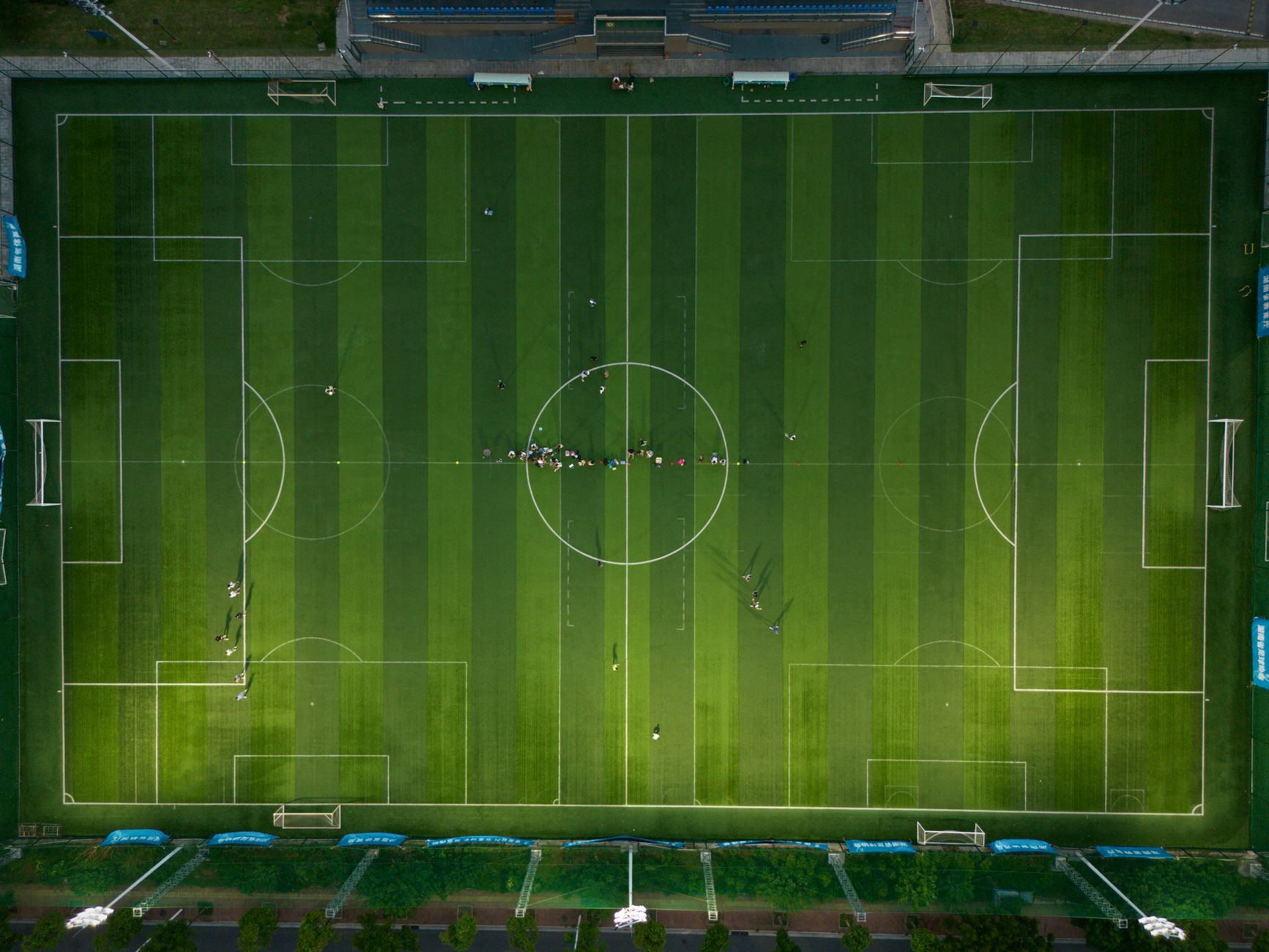
In a display of tactical discipline and attacking prowess, Grêmio cruised to a decisive 3-0 victory over Chapecoense at the Arena do Grêmio on July 5, 2026. The result further cements the Porto Alegre side's position at the summit of the Campeonato Brasileiro Série A, extending their unbeaten run and sending a clear message to title rivals Palmeiras and Flamengo. For the visitors, the defeat deepens their relegation fears, exposing a gulf in class that financial disparity often dictates in South America's most unpredictable league.
The match was effectively sealed in the first half, where Grêmio's high-octane pressing and fluid ball movement overwhelmed Chapecoense's defensive low block. The home side, managed by a tactician known for his meticulous preparation, exploited the flanks ruthlessly. The opening goal arrived in the 22nd minute from a set-piece, a chaotic scramble in the box finished by Grêmio's veteran center-back. The second, a clinical counter-attack finished coolly by the striker in the 35th minute, extinguished any hope of a Chapecoense revival before the interval. The third goal, a thunderous strike from outside the box late in the second half, was merely the exclamation point on a dominant performance.
Tactical Masterclass: How Grêmio's Midfield Dictated the Tempo
From the first whistle, Grêmio's midfield trio established a chokehold on possession, consistently bypassing Chapecoense's first line of pressure with quick, vertical passes. The home side's young playmaker, a player increasingly linked with a move to a top European club in the current 2026 summer transfer window, was instrumental. His ability to find pockets of space between the lines turned Chapecoense's 4-5-1 formation into a liability rather than a shield. By the 15-minute mark, Grêmio had recorded a staggering 68% possession, a statistic that translated directly into territorial dominance.
Chapecoense, coached by a manager fighting to save his job, had set up to frustrate and counter. However, their transition play was stifled at birth. The lack of a reliable link between the defensive and attacking units meant that any clearance was quickly reclaimed by Grêmio's high defensive line. The tactical battle was won in the engine room, where Grêmio's superior physical conditioning and technical security allowed them to recycle attacks relentlessly. It was a performance that highlighted why Grêmio, a club with a rich history including Copa Libertadores titles, is considered a modern benchmark for Brazilian football's tactical evolution.
The European Scouting Lens: Rising Stars on Display
For the legion of European scouts watching closely, this match offered a clear contrast in profiles. Grêmio's midfield prodigy enhanced his reputation, displaying the kind of spatial awareness and passing range that commands premium transfer fees in the current market. Conversely, Chapecoense's struggle highlighted the raw, unpolished talents that often go unnoticed until a relegation battle forces a fire sale. The 2026 season has become a critical showcase for Brazilian talent, with the financial gap between the Série A elite and the rest creating a buyer's market for clubs from the English Premier League, La Liga, and increasingly, the Turkish Süper Lig.
The Financial Abyss: A Tale of Two Clubs in the Same League
The 3-0 scoreline does not just reflect a sporting mismatch; it mirrors the stark economic reality of Brazilian club football in 2026. Grêmio, with its robust membership model and recent player sales to Europe, operates with an annual budget that dwarfs that of Chapecoense. The visitors, a club forever marked by the tragic 2016 LaMia Flight 2933 crash, have struggled to rebuild not just emotionally but financially. They represent a class of Brazilian clubs that survive on state federation subsidies and the occasional sale of a youth prospect, constantly battling to retain their squad during every transfer window.
This financial polarization is one of the most significant narratives of the 2026 Série A season. While Grêmio can afford to reject mid-season offers for their key players, Chapecoense often enters the market as a distressed seller. This dynamic creates a feedback loop: wealthier clubs hoard talent, dominate domestically, and qualify for the lucrative Copa Libertadores, further widening the gap. The match in Porto Alegre was a microcosm of this systemic issue, where the outcome felt predetermined not just by tactics, but by balance sheets.
Global Parallels: What European Leagues Can Learn
The situation in Brazil offers a cautionary tale for mid-tier European leagues, including Turkey's Süper Lig. The concentration of broadcasting revenue and prize money among a select few 'super clubs' risks creating a similarly uncompetitive environment. Grêmio's sustainable model, which balances youth development with strategic sales, provides a blueprint. However, Chapecoense's plight underscores the need for stronger financial fair play regulations and solidarity payments to preserve the competitive integrity that fans demand.
Chapecoense's Relegation Battle and the Psychological Toll
With this defeat, Chapecoense remains rooted in the relegation zone with only 14 points from 17 matches. The psychological impact of such a heavy loss can be devastating for a squad already low on confidence. The body language of the players after the third goal suggested a team resigned to its fate, a dangerous mindset with the second half of the season still ahead. The club's board now faces a critical decision: stick with the current manager and hope for a miraculous turnaround, or gamble on a new appointment to spark a survival bid.
The upcoming fixture against a direct relegation rival is now a must-win, not just for the points but for the club's soul. The pressure is immense, not only from the fans but from a city that sees the football club as a symbol of resilience. Overcoming the mental scars of this Porto Alegre outing will be the coach's biggest challenge. In the brutal arithmetic of Série A survival, goal difference could be crucial, making the 3-0 scoreline doubly painful for the visitors.
Title Race Implications: Grêmio's Path to Glory in 2026
For Grêmio, the 2026 season is shaping up to be a potential historic double, with the club still active in the Copa do Brasil. Moving to 41 points, they now hold a 4-point cushion over second-placed Palmeiras, who dropped points earlier in the matchday. The psychological advantage of leading the pack at this stage cannot be overstated, especially in a league known for its volatility. The squad depth, a critical factor in the grueling Brazilian calendar, appears superior to their rivals, with effective substitutions changing the game's tempo without a drop in quality.
However, the coaching staff remains cautious. A daunting away fixture against Flamengo looms next weekend, a match that could either break the title race open or see Grêmio tighten their grip. The team's ability to switch between patient possession and lethal counter-attacks, as demonstrated against Chapecoense, makes them the team to beat. As the 2026 season progresses, the Arena do Grêmio has become a fortress, and the dream of lifting the Série A trophy in December feels increasingly tangible for the Tricolor faithful.
