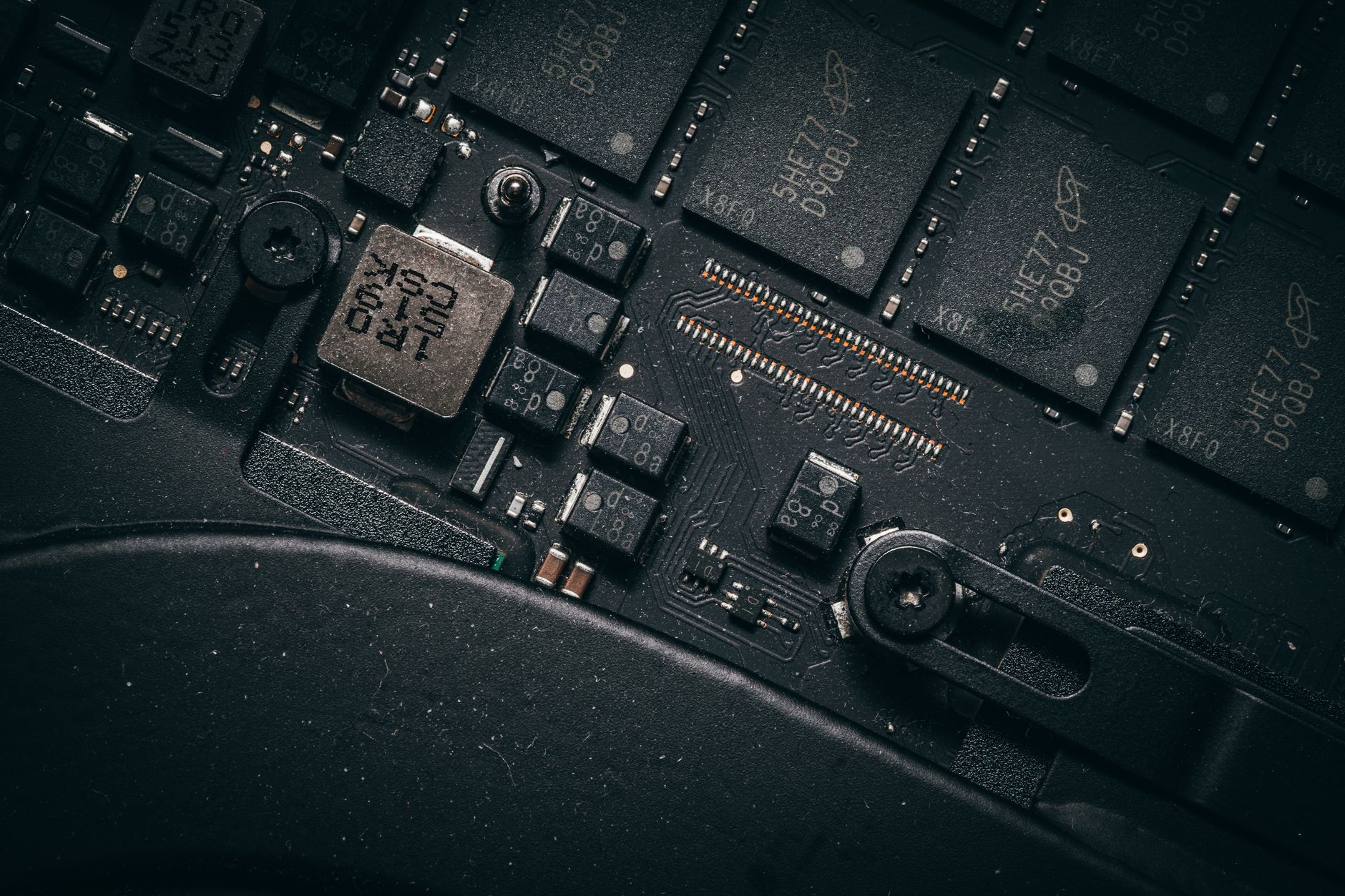
The global consumer electronics market is entering a turbulent phase in mid-2026, triggered by a severe shortage of advanced AI-capable semiconductors. Apple Inc. has initiated a sharp price increase across its Mac and iPad lineups, a move that analysts say is only the beginning of a broader inflationary wave set to engulf major smartphone brands including Samsung and Xiaomi. The root cause, according to supply chain reports, is a bottleneck in the production of neural processing units essential for next-generation artificial intelligence features.
The anatomy of a global AI chip shortage
The semiconductor industry is currently grappling with an unprecedented demand for AI-specific chips. Apple's M4 system-on-chip, which powers the latest MacBook Pro and iPad Pro models, relies heavily on TSMC's advanced 3-nanometer process nodes. However, these same production lines are also responsible for manufacturing Nvidia's H200 GPUs and Qualcomm's Snapdragon X Elite processors. The concentration of cutting-edge manufacturing in Taiwan's TSMC facilities has created a zero-sum game where consumer electronics are losing out to high-margin data center components.
In 2025, global investment in AI data centers exceeded $250 billion, a figure that has already been surpassed in the first half of 2026 alone. This capital flood has allowed cloud providers to outbid consumer electronics companies for wafer allocation. Consequently, the cost of producing a single high-performance chip for a laptop has risen by approximately 30% year-over-year. Apple's decision to pass these costs onto consumers rather than sacrifice its industry-leading profit margins has set a precedent that competitors are now following.
TSMC's capacity constraints and geopolitical ripple effects
Taiwan Semiconductor Manufacturing Company (TSMC), the world's largest contract chipmaker, is operating at full capacity. The ongoing US-China technology trade war has further complicated matters. Washington's export restrictions on advanced semiconductor equipment to China have forced Chinese firms to stockpile chips, artificially inflating global demand. Meanwhile, TSMC's new fabrication plants in Arizona and Japan are still ramping up production and cannot yet alleviate the global supply crunch affecting consumer gadgets.
Smartphone giants brace for the inevitable shockwave
While Apple's Mac and iPad price adjustments have captured headlines, the smartphone segment is poised for an even more dramatic correction. The upcoming iPhone 18 series, expected in September 2026, is rumored to feature a heavily upgraded Neural Engine requiring a larger die size on TSMC's expensive 2nm process. Industry insiders suggest the bill of materials for the high-end models has increased by nearly 20%, making a significant retail price jump unavoidable. For markets like Turkey, where currency volatility amplifies dollar-denominated pricing, the impact will be severe.
Samsung, the South Korean tech titan, faces its own set of challenges. The company's foundry division has struggled with yield rates on its advanced Gate-All-Around (GAA) transistors, forcing its mobile division to rely more heavily on Qualcomm's Snapdragon chips for the Galaxy S26 lineup. This dependency exposes Samsung to the same TSMC bottleneck affecting Apple. Analysts predict that flagship Android phones will see price increases of 15% to 25% globally by the end of 2026, effectively ending the era of the $1,000 high-end smartphone.
Xiaomi and the mid-range market dilemma
Chinese manufacturer Xiaomi has built its global reputation on offering high specifications at aggressive price points. However, the memory and storage components that Xiaomi relies on are now in high demand for AI servers. Prices for NAND flash and DRAM modules have surged by over 40% in 2026. Xiaomi's strategy of maintaining thin hardware margins is under severe pressure, and the company may be forced to choose between raising prices or reducing component quality, a risky move in the competitive European and Asian markets.
Impact on emerging markets and the Turkish economy
Turkey represents a critical case study for how the AI chip crisis disproportionately affects emerging markets. The Turkish lira's depreciation against the US dollar compounds the global price increases, making technology products increasingly unaffordable for the average consumer. According to the Turkish Statistical Institute, the technology equipment consumer price index in Turkey has risen 45% year-on-year as of June 2026, far outpacing the already high general inflation rate.
A high-end MacBook Pro that cost 65,000 Turkish Lira in early 2025 now retails for over 90,000 TL. This pricing trajectory is pushing such devices out of reach for students and professionals in the creative industries. The Turkish government's local chip initiative, led by TÜBİTAK (Turkey's Scientific and Technological Research Council), remains focused on defense and automotive applications, leaving consumer electronics entirely dependent on imports. This lack of domestic alternatives leaves Turkish consumers uniquely vulnerable to global supply chain disruptions.
The rise of device-as-a-service and refurbished markets
As outright purchase becomes prohibitive, Turkish consumers are increasingly turning to alternative ownership models. Leasing programs and 'Device-as-a-Service' (DaaS) subscriptions have seen a 70% uptake in the enterprise sector. In the consumer space, the refurbished electronics market is booming, with online platforms reporting record transaction volumes. However, even second-hand prices are inflating rapidly as demand outpaces supply, creating a cascading affordability crisis that threatens digital inclusion across the country.
Long-term industry transformation and outlook
The current price surge is not merely a temporary blip but a structural shift in the technology industry. The integration of on-device AI capabilities requires fundamentally more expensive silicon, larger memory pools, and advanced cooling solutions. As companies like Apple and Google push for more processing power to be located on the device for privacy reasons, the average selling price of computing devices is expected to remain elevated permanently. The era of cheap, powerful computing is giving way to an era of expensive, AI-optimized hardware.
Looking ahead to 2027, the industry hopes that Intel's foundry services and Samsung's improved yields will provide much-needed competition to TSMC, potentially easing supply constraints. However, for the remainder of 2026, consumers worldwide, and particularly in price-sensitive markets like Turkey, should prepare for a landscape where flagship phones and laptops command premium pricing previously reserved for luxury goods. The digital divide is widening, and the AI revolution is proving to be an expensive ticket to entry.
