While global attention often focuses on Turkey's coastal resorts or the fairy chimneys of Cappadocia, the central Anatolian city of Aksaray has been quietly orchestrating an economic and cultural renaissance. By mid-2026, this ancient settlement, strategically positioned on the historic Silk Road, has transformed itself from a mere stopover point into a formidable hub of agriculture, industry, and faith-based tourism.
Often referred to as the 'City of the Pious' (Salihler Şehri) due to its deep-rooted Islamic heritage and the presence of revered Sufi saints, Aksaray is now leveraging its 10,000-year-old history to attract a new breed of investors and travelers. Unlike the saturated markets of western Turkey, Aksaray offers a blend of untapped potential and robust infrastructure, making it one of the most compelling growth stories in Anatolia in 2026.
Recent data from the Aksaray Chamber of Commerce and Industry indicates that the city's export volume has surged by over 40 percent in the last five years. This growth is not merely a post-pandemic rebound; it is a structural shift driven by the integration of high-tech agriculture with a booming organized industrial zone. For international observers, Aksaray represents a microcosm of Turkey's broader ambition to move beyond low-margin manufacturing into value-added production.
A Neolithic Powerhouse and Seljuk Heritage
Long before the Hittites or the Romans, Aksaray was home to one of the earliest known human settlements. Aşıklı Höyük (Asikli Mound), dating back to 8000 BCE, offers a window into the Neolithic Revolution. In 2026, the site continues to be a critical excavation ground for international archaeologists, with recent findings shedding light on the world's earliest known brain surgery practices. The Turkish Ministry of Culture and Tourism is actively campaigning to secure a permanent spot for Aşıklı Höyük on the UNESCO World Heritage list, a status that would significantly elevate its global profile.
The city's historical narrative is also dominated by the Seljuk Empire. The Sultanhanı Caravanserai, the largest of its kind in Anatolia, stands as a testament to the region's historical role in global trade. Restored with interactive digital exhibits in 2026, this monumental structure allows visitors to experience the Silk Road's vibrant past. The caravanserai is not just a tourist attraction; it symbolizes the city's enduring identity as a crossroads of civilizations, connecting the East to the West.
Furthermore, the spiritual legacy of the city is embodied by the Somuncu Baba Complex. The tomb of Sheikh Hamid-i Veli, a foundational figure in Ottoman spirituality known as 'Father Bread,' draws hundreds of thousands of pilgrims annually. This religious tourism forms the backbone of the local service economy, creating a unique ecosystem where conservative cultural values coexist with rapid industrialization.
The Sultanhanı Caravanserai: A Silk Road Legacy
The restoration of Sultanhanı has turned it into a cultural performance center. In the summer of 2026, the courtyard hosts weekly Whirling Dervish ceremonies and Seljuk-themed light shows, blending spiritual heritage with modern entertainment to capture a younger international audience. This approach has increased overnight stays in the area by 18 percent compared to the previous year.
Turkey's Agricultural Powerhouse and Industrial Surge
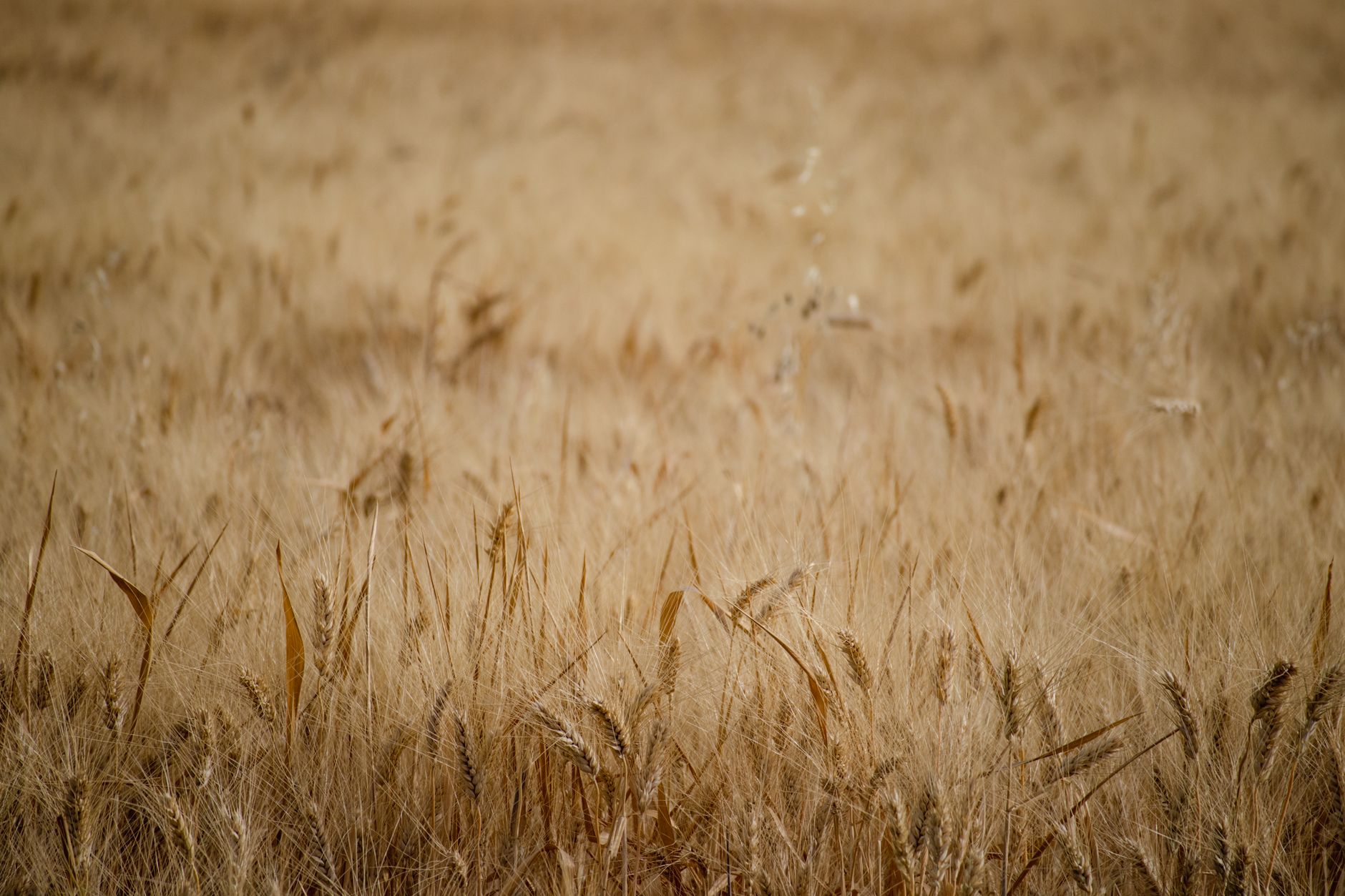
Aksaray's economy has historically been defined by its fertile plains and the Tuz Gölü (Salt Lake) basin. It remains one of Turkey's top producers of sugar beet, sunflower, and potatoes. However, the narrative in 2026 has shifted from raw production to agro-processing. Instead of shipping raw materials to other cities, Aksaray's Organized Industrial Zone (OIZ) now houses state-of-the-art food processing plants that export finished goods directly to European and Middle Eastern markets.
The city's unemployment rate has dipped below 6 percent, a figure that outperforms many western Turkish provinces. This economic stability has reversed the migration trend; young professionals who previously sought jobs in Istanbul or Ankara are now returning to Aksaray. The establishment of Aksaray University's Technopark has been pivotal, fostering start-ups focused on agricultural technology (AgriTech) and drone-assisted farming. These innovations are crucial for a region grappling with the effects of climate change on water resources.
Livestock farming has also modernized. Massive dairy farms and meat processing facilities now operate with EU-standard hygiene protocols, allowing local brands to export to international markets. The local 'Aksaray Tulum Cheese' and buffalo yogurt have received geographical indication (GI) certification, protecting their brand value and boosting rural income. E-commerce platforms have played a vital role in connecting these niche Anatolian products with global consumers.
Geothermal Greenhouses and Sustainable Farming
Harnessing the geothermal energy from the slopes of Mount Hasan, Aksaray has pioneered sustainable greenhouse farming. These facilities produce vegetables year-round without the high carbon footprint associated with traditional heating methods. In 2026, these greenhouses supply a significant portion of the organic tomatoes and peppers consumed in Northern Europe during winter months.
Beyond Cappadocia: The Ihlara Valley Experience
While most tourists rush to the hot air balloons of Göreme, savvy travelers are discovering the Ihlara Valley in Aksaray. This 14-kilometer-long canyon, carved by the Melendiz River, is a lush oasis in the arid Anatolian steppe. The valley walls are dotted with rock-hewn churches from the Byzantine era, featuring well-preserved frescoes. In 2026, the valley has become a center for eco-tourism and adventure sports, including trekking, rock climbing, and bird watching.
The local government has invested heavily in boutique hotels and camping sites to cater to the 'slow travel' movement. The nearby town of Güzelyurt (formerly Gelveri), with its harmonious Greek and Turkish stone architecture, is being positioned as a potential Cittaslow (Slow City) candidate. This strategy aims to attract high-spending tourists who seek authenticity rather than mass-market holiday packages. The Salt Lake, with its surreal pink and white vistas and flamingo colonies, provides a photogenic finale to the Aksaray experience.
The Aksaray Gastronomy Center, opened in early 2026, has become a focal point for culinary tourism. The signature dish, 'Aksaray Tava'—a slow-cooked lamb and vegetable stew baked in a stone oven—is gaining recognition in international gourmet circles. Food festivals celebrating the city's GI-tagged products are drawing visitors from across the country, turning Aksaray into a year-round destination rather than a seasonal one.
The Slow Travel Movement in Central Anatolia
As global travel trends shift away from overtourism, Aksaray's quiet authenticity is its greatest asset. The 2026 tourism strategy focuses on digital detox retreats and historical immersion programs. By offering a peaceful alternative to the crowded beaches of the Mediterranean, Aksaray is carving out a niche that promises sustainable growth for the local community without sacrificing its cultural soul.
In conclusion, Aksaray in 2026 is a city of contrasts and harmony. It is a place where Neolithic skulls and high-tech drones coexist, where Sufi chants mingle with the hum of factory machinery. For international investors and curious travelers alike, this 'City of the Pious' offers a blueprint for balanced, sustainable development in the heart of Turkey's Anatolian plateau.
